She’s goal oriented, hardworking, and attentive.
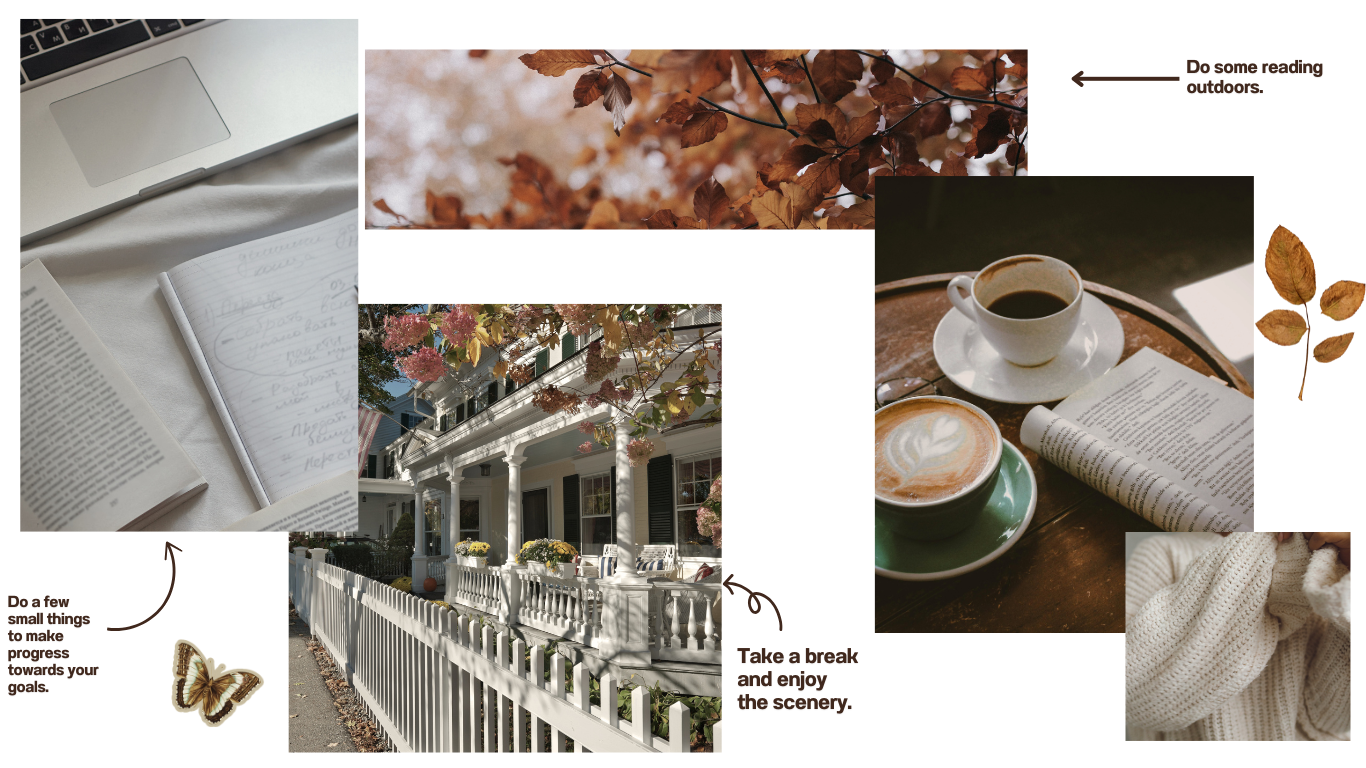
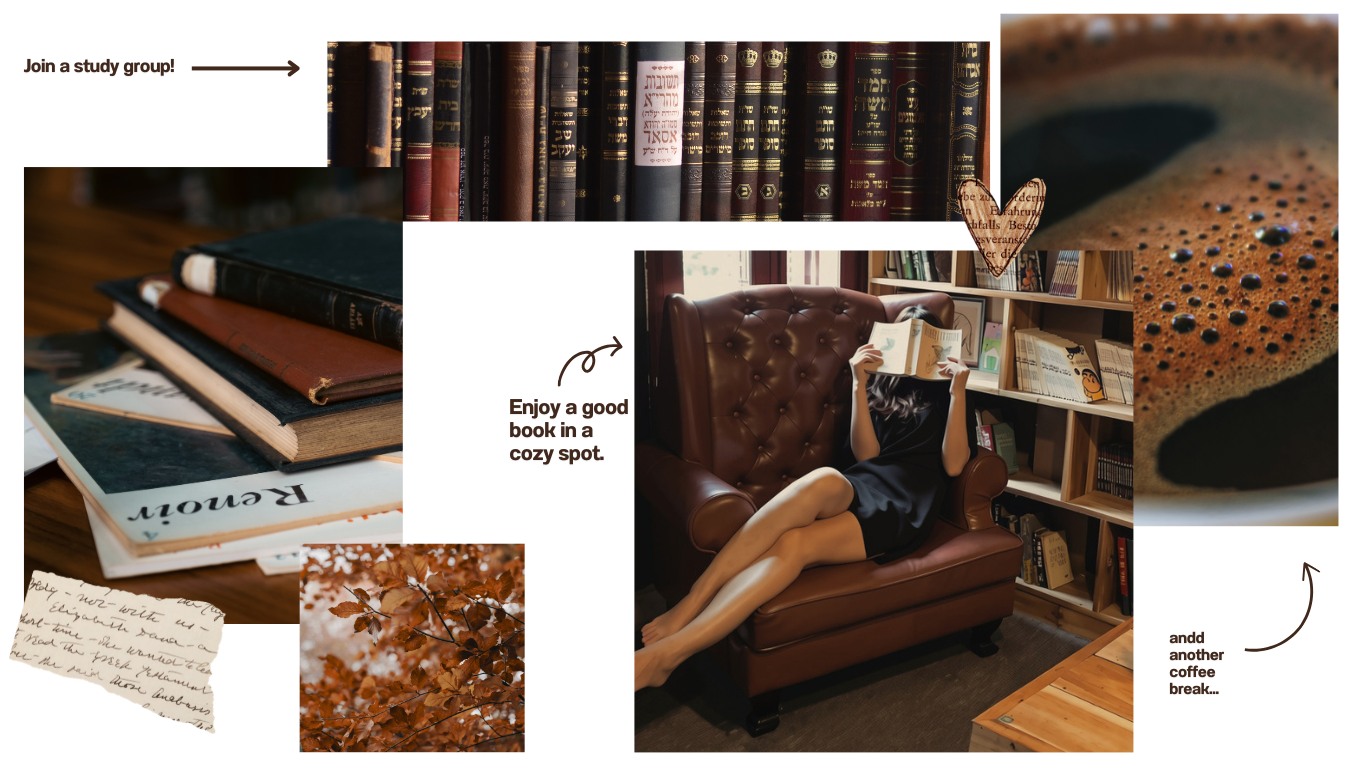
Rory Gilmore from Gilmore Girls has become a staple of trends that aestheticize academia and learning. Not unlike her counterpart in the show, Paris Geller, Rory is heavily goal oriented and works tirelessly to accomplish those goals. Her goal-oriented nature is only one piece of the puzzle when investigating what makes Rory such an inspiration for bookworms, high achievers, and thinkers… This post reflects on what it took for Rory to achieve her academic goals and provides tips that we can all take away to study and work like her. At the end of this post, we’ve included a Rory Gilmore mood board to help keep you inspired!

3 Tips to Study Like Rory Gilmore
Rory Gilmore is Goal Oriented
From the very first episode of Gilmore Girls, viewers are immediately told that Rory’s goal is to go to Harvard. Another, less distant goal of hers is to get into an elite private high school called Chilton; a school that will no doubt catapult her towards that bigger goal. So, it is no surprise that well before Rory is ready to apply to Harvard, she has already set clear milestones, nurtured strong habits that support her desired outcome, and even investigated the people who do the work she aspires to do after Harvard (she specifically says she wants to be like Christiane Amanpour, a British-Iranian Journalist!)
By clearly defining her goals and what measures it would take to reach them, Rory has set herself up with a clear sense of direction that motivates the work that she does and even gauges the amount of effort that is necessary for her to be successful. Having well defined goals are the biggest motivators behind her efforts.
Tip 1: Set Your Goal, Set Clear Milestones, and Find Your Inspiration
Maybe you already have an idea about what your desired outcome is after you finish school or if you’re working on a big project that requires research. What’s important is to clearly and definitively define your goal so you can set milestones. Then find ways to stay inspired and start working on the habits that will help you get there. Begin with your ultimate end goal—for Rory it is to become a worldclass journalist—then work your way back.
Honestly reflect on what it would take to get there and investigate the people who have already done the same thing. Do you see any patterns in their education, research methods, or habits? Is there anyone in particular who you feel drawn to? Reflect on what it took for them to get where they are and set milestones unique to your situation. Be sure to take some time to gauge the difficulty of what you’re working towards as well as the real effort and habits that will be necessary for you to get there. All goals require dedication and hard work, but some may require far more sacrifice and effort.

Rory is Constantly Reading
Throughout the show Rory is rarely seen without a book. Whether she is reading for fun or for school, she always keeps a book or two handy for when she finds herself with free time. Rather than spending downtime immersed in trivial gossip (though she does gossip at times too) or aimlessly daydreaming, Rory instead makes it easy to redirect her attention back to her studies. But it isn’t just about academic studying. Rory is, in fact, a lover of knowledge and learning. She enjoys books because they allow her to think about the world in different ways, and because they allow her to fashion the world according to her desires—i.e. books will help her to get into an Ivy League school and become a successful journalist.
We see this love for books and knowledge play out frequently, as Rory often references the stories she’s read or characters to be witty, to question what she experiences, or to react to simple day-to-day occurrences (her mom, Lorelai, for example does the same thing but more often by referencing broadcast media). Books become tools that both ground Rory and remind her that she has ever more work to do and provides her with new ways to understand the world. Books act as signifiers that direct her attention back to the inner, mental work that she is so eager to do and that is why she always keeps a book on hand.
Tip 2: Make studying your Baseline
The simplest way to become the kind of person who constantly reads like Rory is to habitually carry a book or two with you. And not just any book. Books that are on your TBR, readings that you have for school or work, even articles from academic journals or Substact that you’ve been meaning to read. Carry texts that are going to push the needle and get you closer to your goals or that you are genuinely interested in exploring.
Try reading while you eat, on lunch breaks, while in waiting rooms, and especially during a set a block each day. A good practice outside of reading during short bursts of downtime is to also have a dedicated “reading hour” each day to ensure that reading, studying, or research become imbedded within your normal routine. After you have started building habitual reading habits, try and apply what you read to the world around you.
Consider how people—including yourself—resemble characters from your texts, how your literary knowledge can help you solve problems or avoid conflict, and how the books you read change your perspective on the world and push you closer to your goals. This will help you to apply and rehearse what you’ve learned about, while also giving you space to meditate on different ideas. Making studying your baseline is about developing a love for knowledge that is habitual, useful, and easy to replicate.

Rory is Solitary
An aspect of Rory’s character that is often overlooked is the fact that she is a solitary creature. She spends her time with a small handful of people just enough to maintain those relationships. Time spent with her mother or grandparents revolve around necessary mealtimes; moments with her best friend Lane are often fleeting but meaningful; and time focused on dating is similarly limited but focused on thoughtful quality time. Even while she is at school, Rory spends her lunches eating at the quietest table that will allow her to get some extra reading in. She uses that short amount on reading for school or pleasure, rather than social climbing.
While her hermit-like habits sometimes cause conflicts, for the most part solitude seems to work for her, primarily because everyone around her knows that she is working hard towards something big. While she may seem rather social at first blush, looking closely at her habits show that the amount of work she is able to get done is due to her ability to prioritize solitude and block in the commitments that are absolutely necessary in meaningful ways.
Tip 3: Spend Time Alone
For Rory, solitude is sort of a secret weapon that makes being a high-achiever look deceptively easy for her. While in reality, she is constantly working to balance alone time with the time necessary to nurture her important relationships. Now, I’m not saying you need to cut off everyone in your life except your mom and best friend to reach your goals. But we might find that if we calculate the amount of time spend socializing either through social media, meeting up, or in idle chit-chat, that several hours each week could be redirected towards our studies.
Socializing enriches our feeling of community and connection, while solitude enhances our sense of self and self-reliance. The idea is not to isolate or cut off people, but to consider extended blocks of time when discipline, goals and solitude are prioritized. For example, if you are hoping to reach B1 level in a language (which is intermediate for most languages) in a year, that is a minimum of 350 hours of study. Blocking a dedicated hour of study each day for that year, while ensuring that you can spend meaningful time with the people you care about is the intention.
Rory has dedicated some of her prime years to reaching her future goals, from the ages of 14-24 or so. For many of us, a recalibration of our social lives for such an extended period could be rather difficult. Instead, create quantifiable ways to spend time alone and qualifiable ways to tend to your social life and your important relationships! (I will disclose that I am personally an introvert, and being a bit selfish with my solitude is not only easy for me, but often preferable. So, for some, social time might be a good way to take a step away from work and then go back to your studies later, feeling refreshed more motivated!)
Final Thoughts
Rory Gilmore has some big goals, and she was largely able to achieve those goals through attentiveness and habit building. By setting clear, actionable goals to reach her bigger goals, developing strong habits that support those goals, and maintaining a good balance between her alone time and social time she was able to go to her dream schools, and create success through hard work and dedication. I hope this post helped you think about new ways to reach your goals! Check out our mood board below for more visual inspiration 🙂