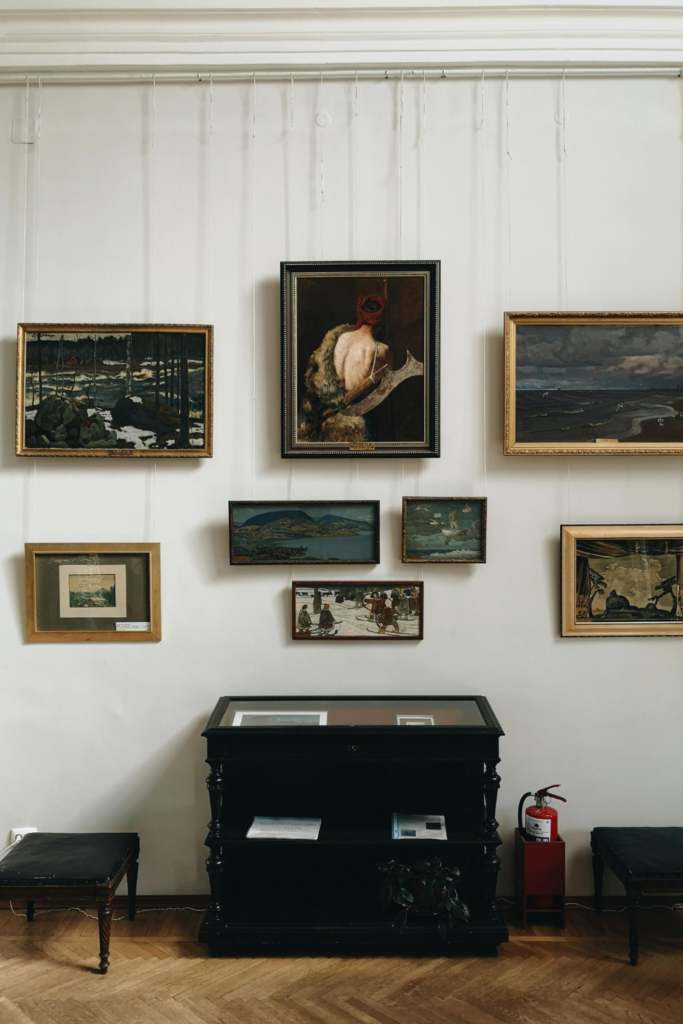
Landscape painting is fundamentally about capturing the essence of the natural world, but each painter approaches that task differently. Some are driven by the spirit of nature, attempting to capture something beyond its physical appearance. Others are drawn to the directness and beauty of what lies before them, creating realistic depictions in pristine detail.
A sleepy valley; a proud mountain range; torrid oceans and rivers; or untroubled forests and fields. Each of these landscapes is approached differently by different landscape painters. The way a landscape painting is executed depends on the artist’s style, temperament, and historical horizon. In this article, we will explore different genres of landscape painting, look at a few wonderful landscape painters and their works, and consider the genre more broadly.
Impressionist Landscapes
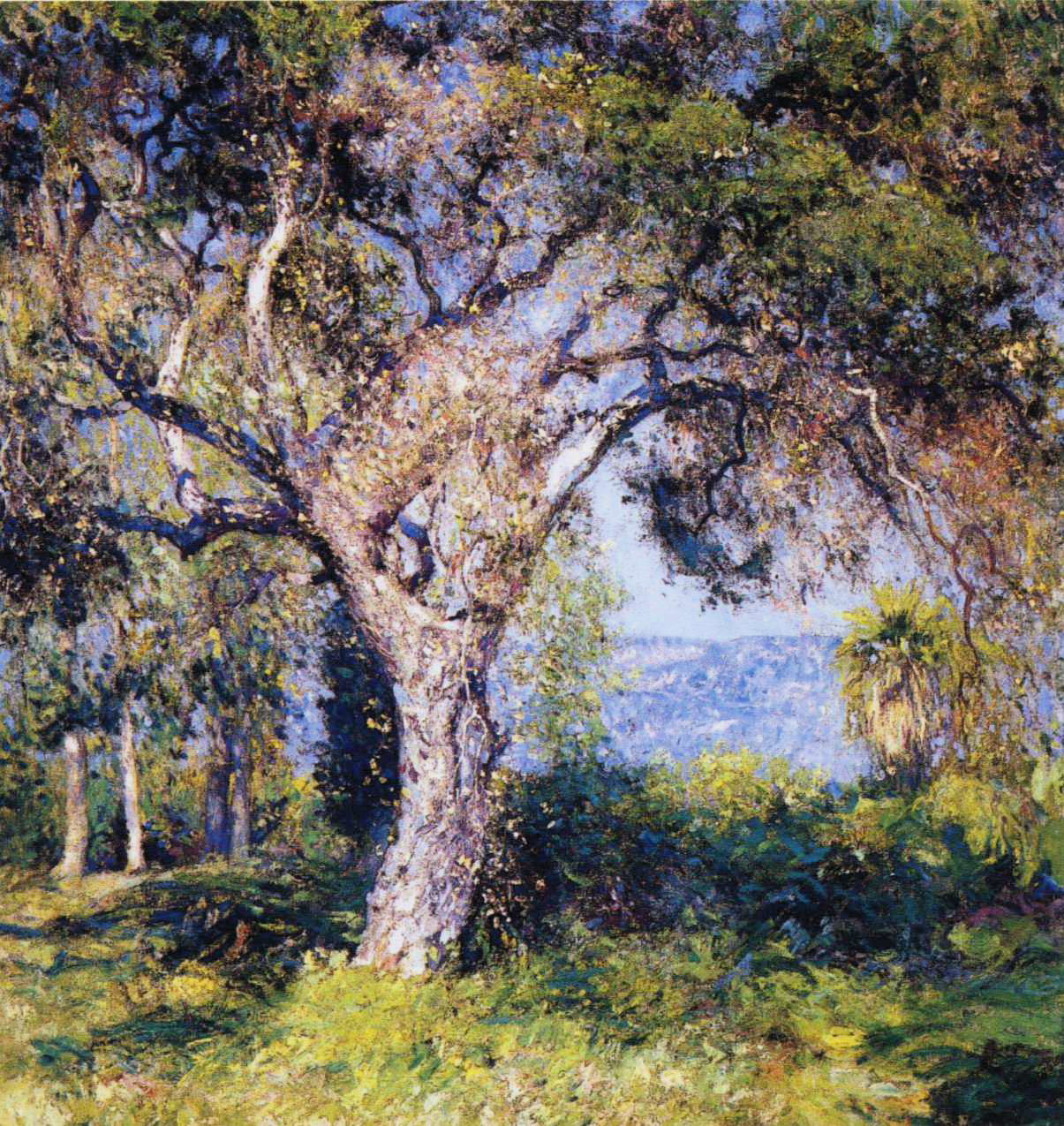
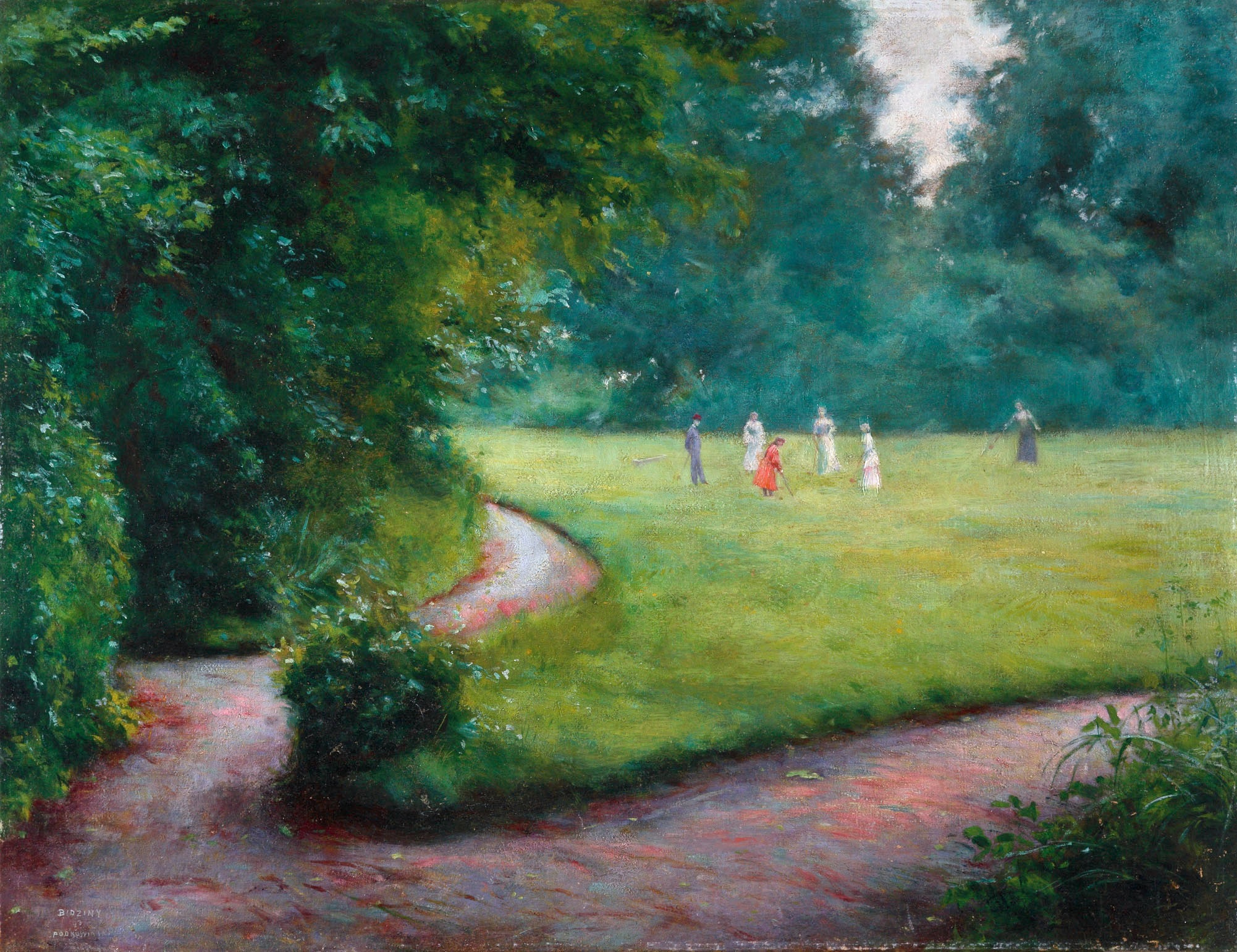
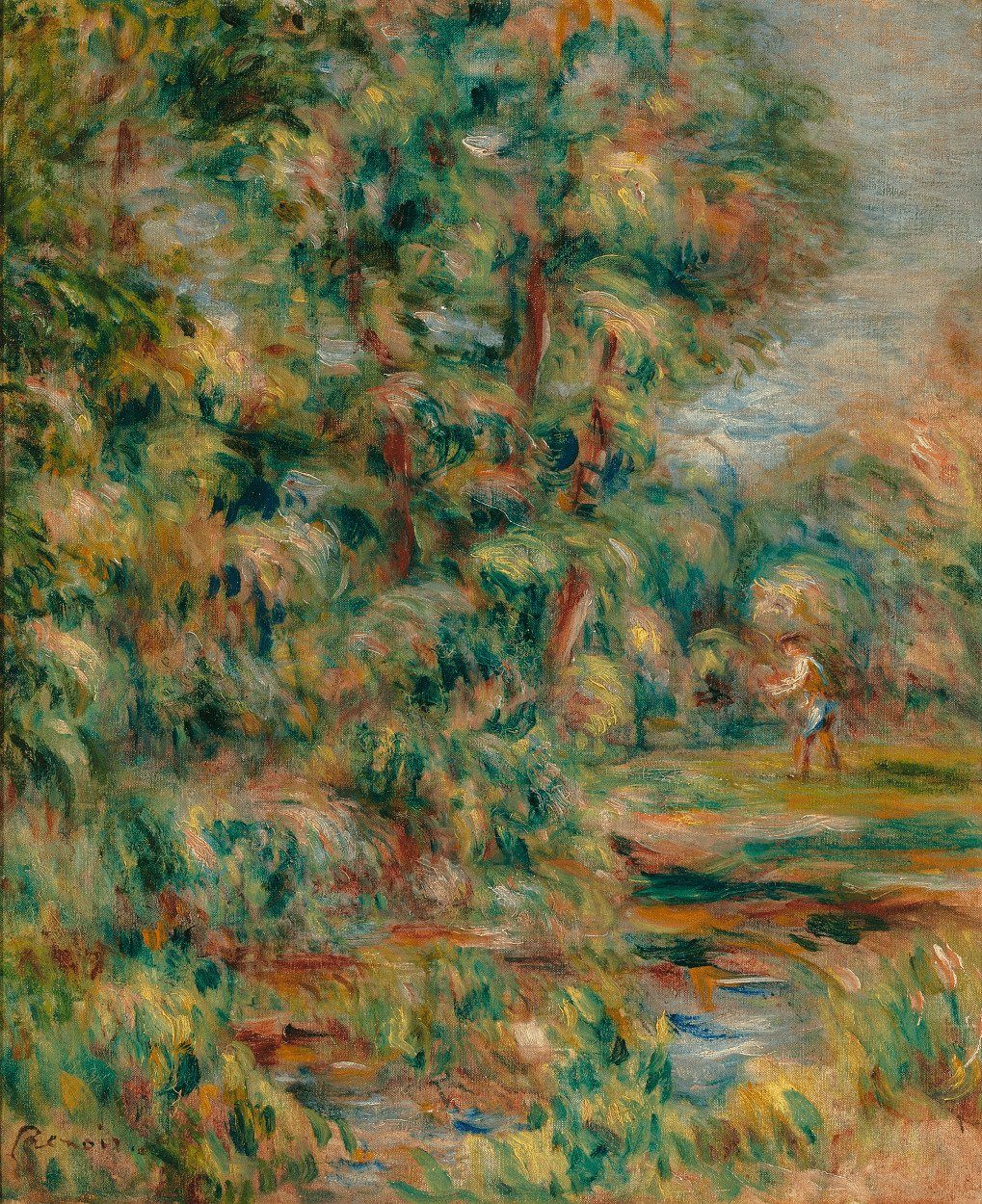
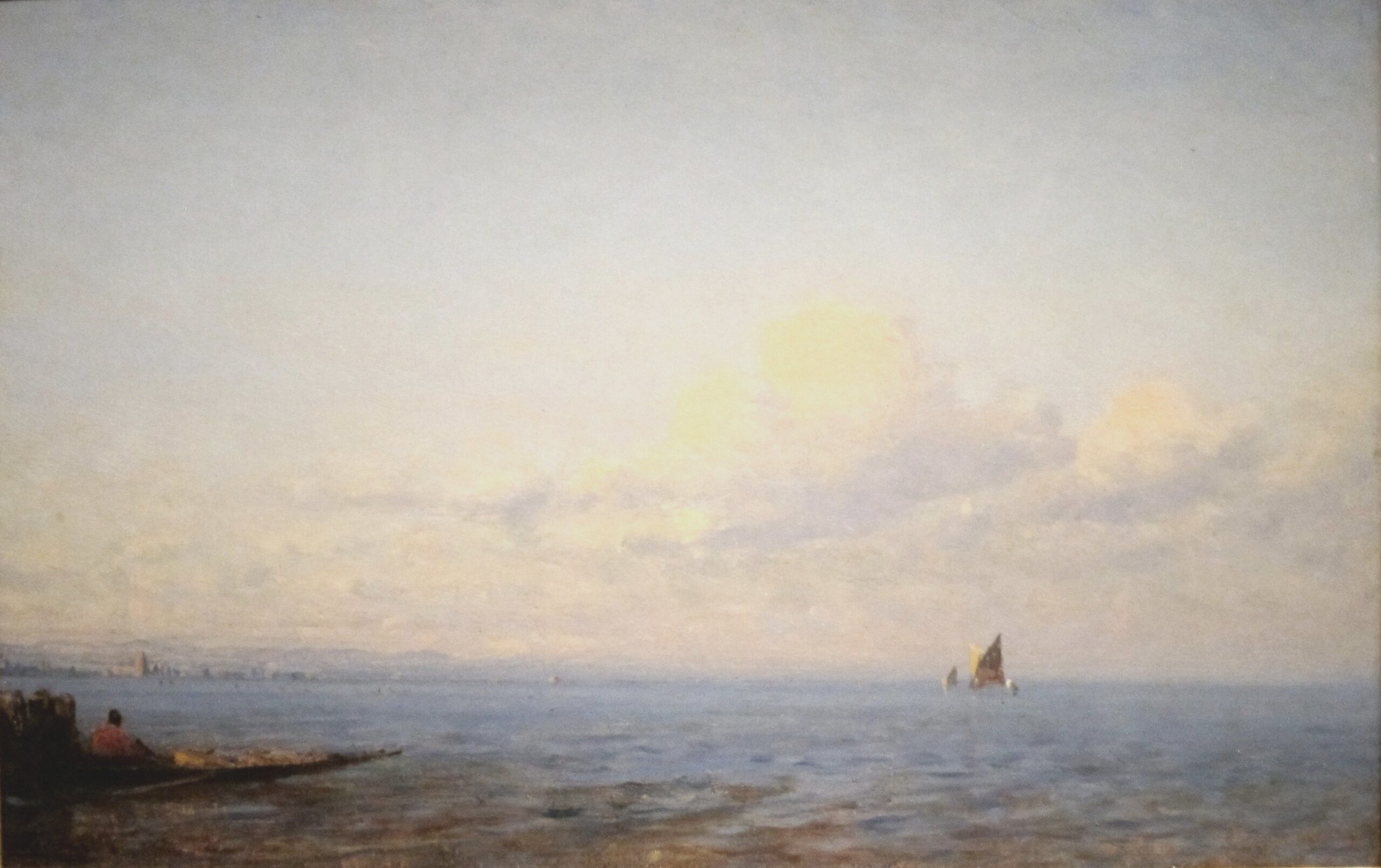
Fleeting, atmospheric, and spontaneous, Impressionist landscapes emphasize the changing effects of light and atmosphere within a particular natural scene. These paintings seek to capture the immediacy of a moment, using relatively unmixed colors and loose, visible brushstrokes to convey the movement and energy of the world as it is experienced. Impressionist painters were also drawn to scenes of everyday life and leisure, bringing ordinary moments into the realm of landscape painting. Rather than focusing on the mythological or historical subjects favored by academic painting, they turned their attention toward the fleeting beauty of modern life. In this way, Impressionist landscapes capture nature not as something fixed and permanent, but as something constantly changing before the viewer.
Realist Landscapes
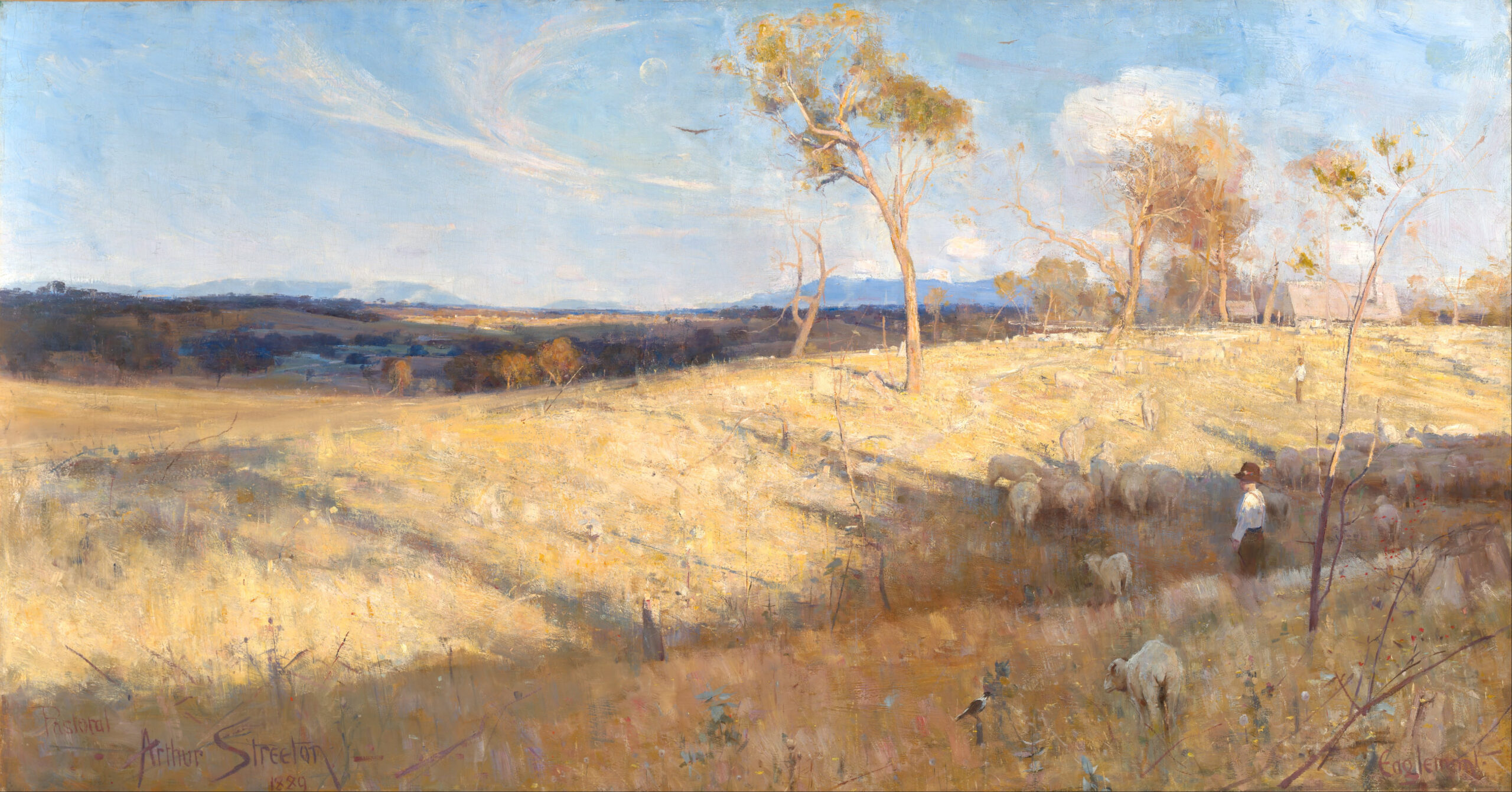
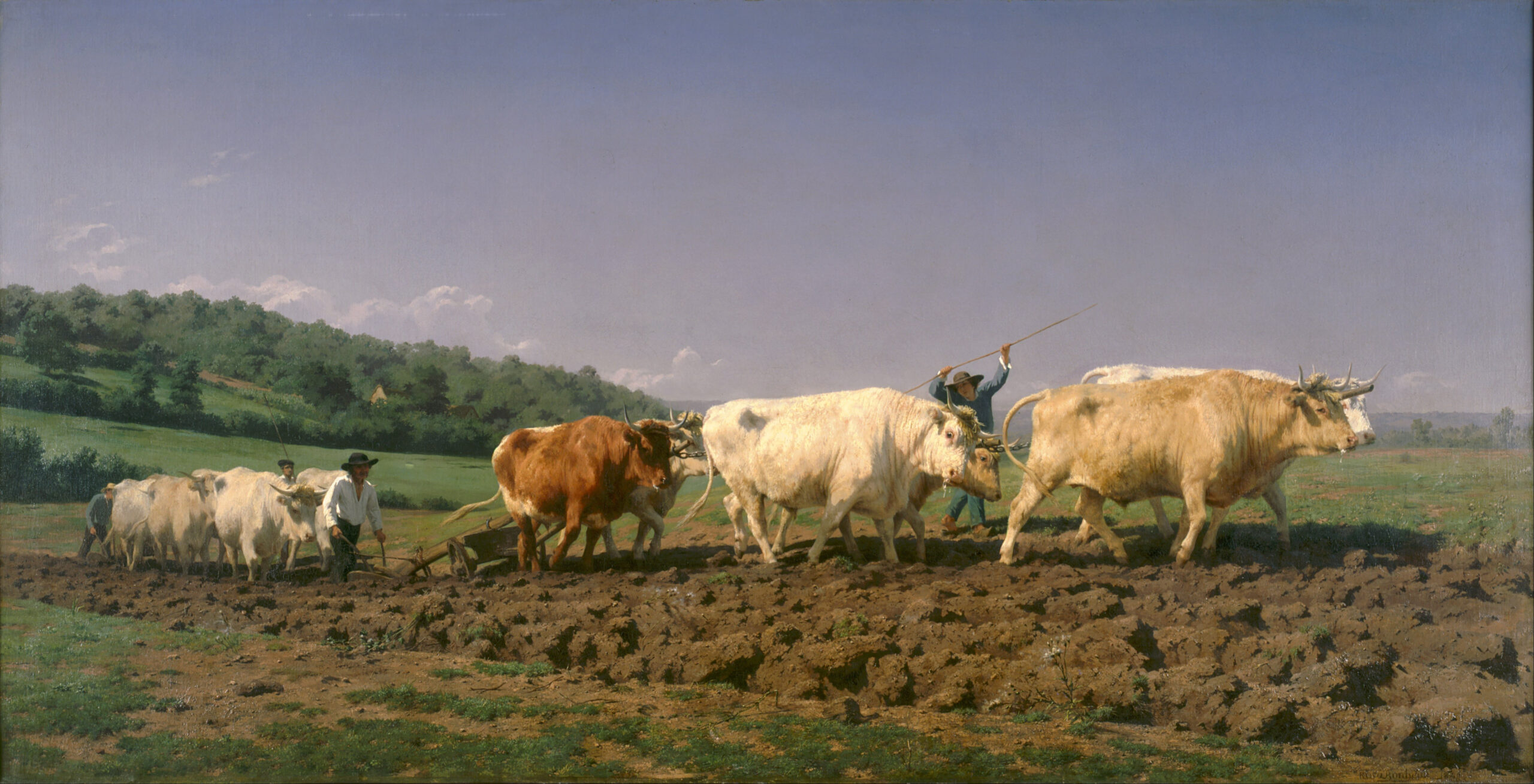
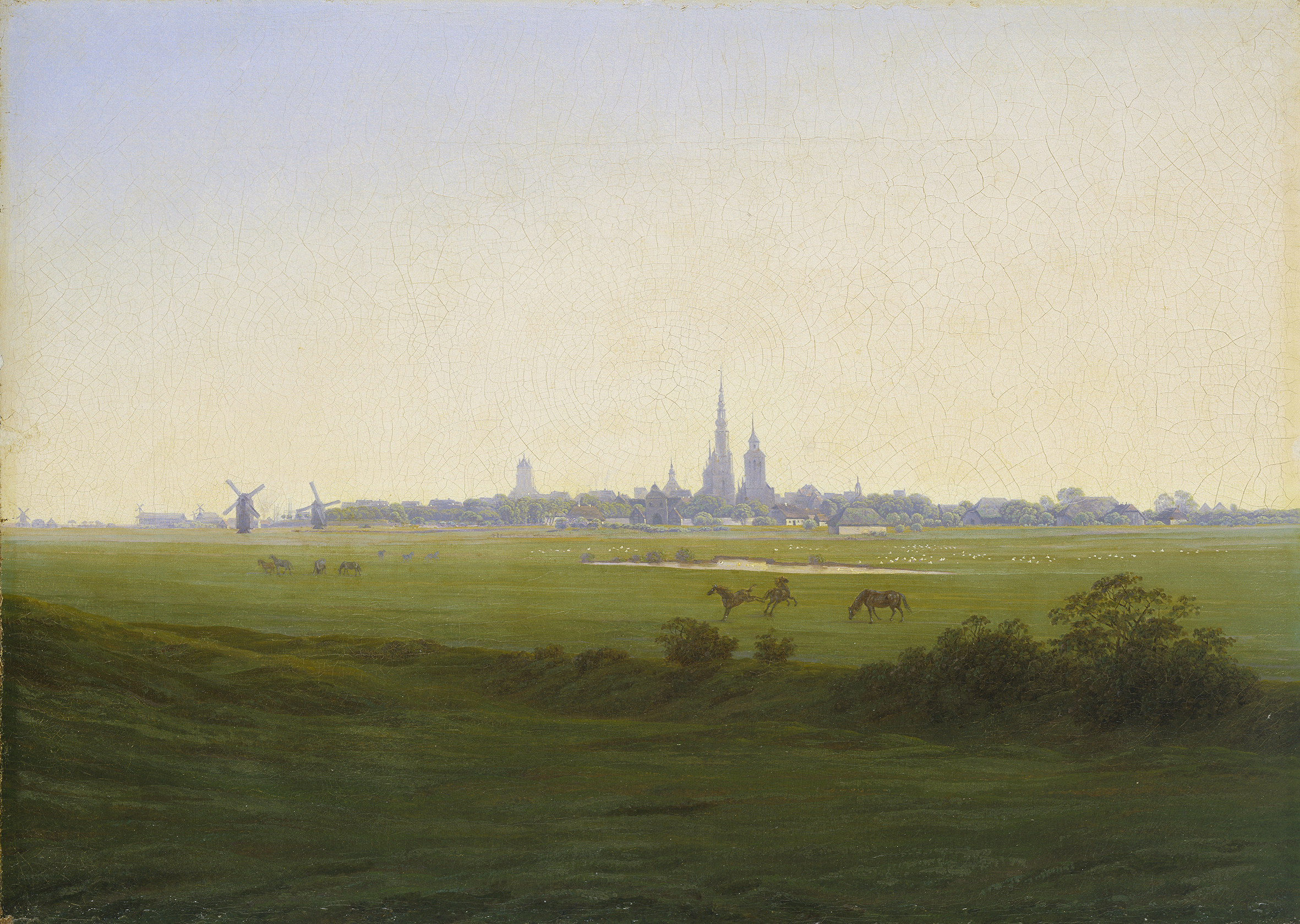
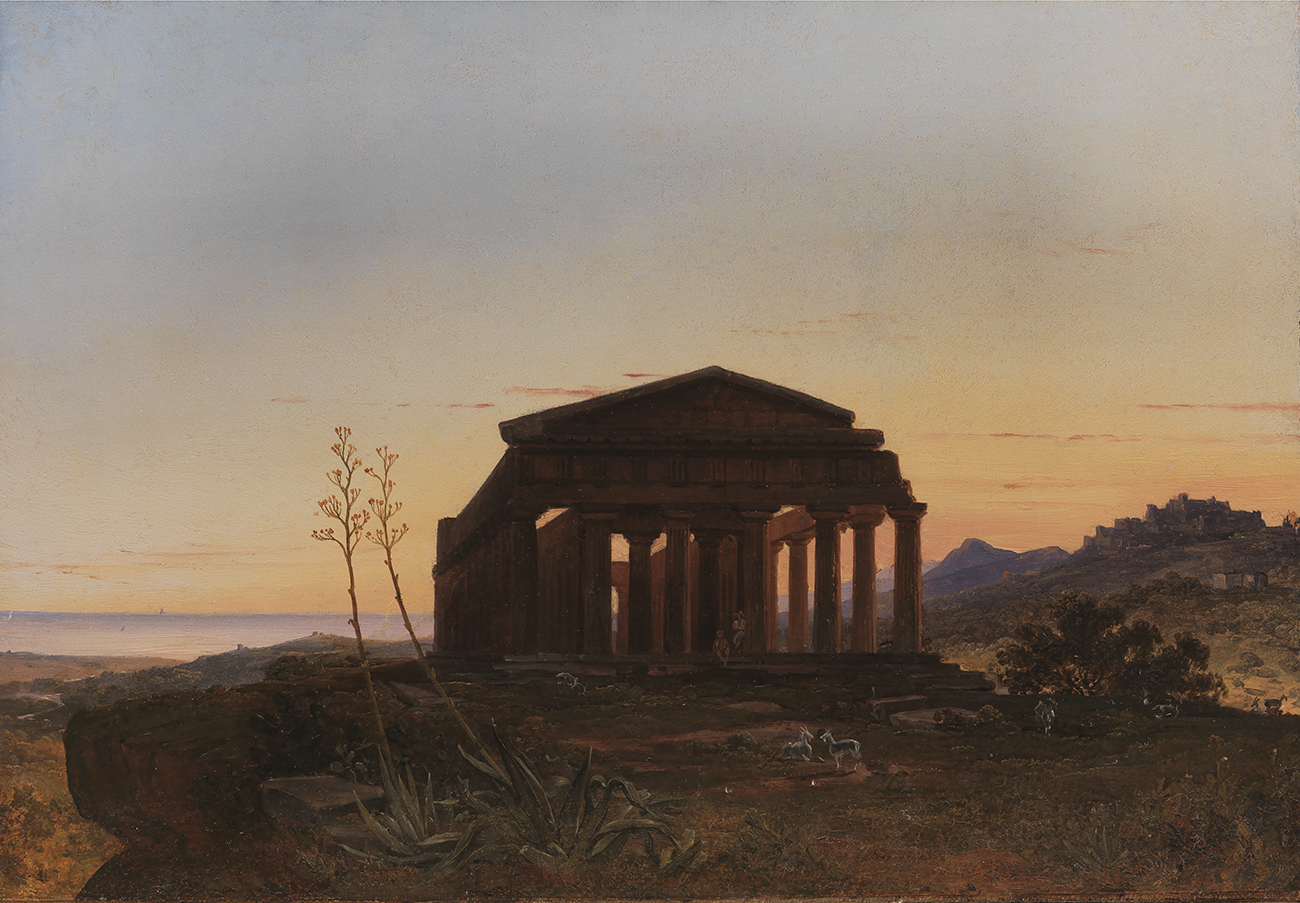
Detailed, accurate, and faithful to observation, Realist landscapes emphasize the natural world as it appears before the viewer. These paintings seek to create lifelike representations of nature, paying close attention to the appearance of light, color, texture, and detail. Rather than idealizing the landscape, realist painters attempt to portray it honestly and without embellishment. Although Realism emerged as a distinct artistic movement in France during the mid-19th century, this approach to depicting nature can be found throughout the history of art. Many French, Dutch, and Spanish painters from earlier centuries employed a realist approach even though they did not work under the label of Realism. In this sense, realist landscapes are united by their attempt to faithfully represent the natural world as it is rather than as it might be imagined.

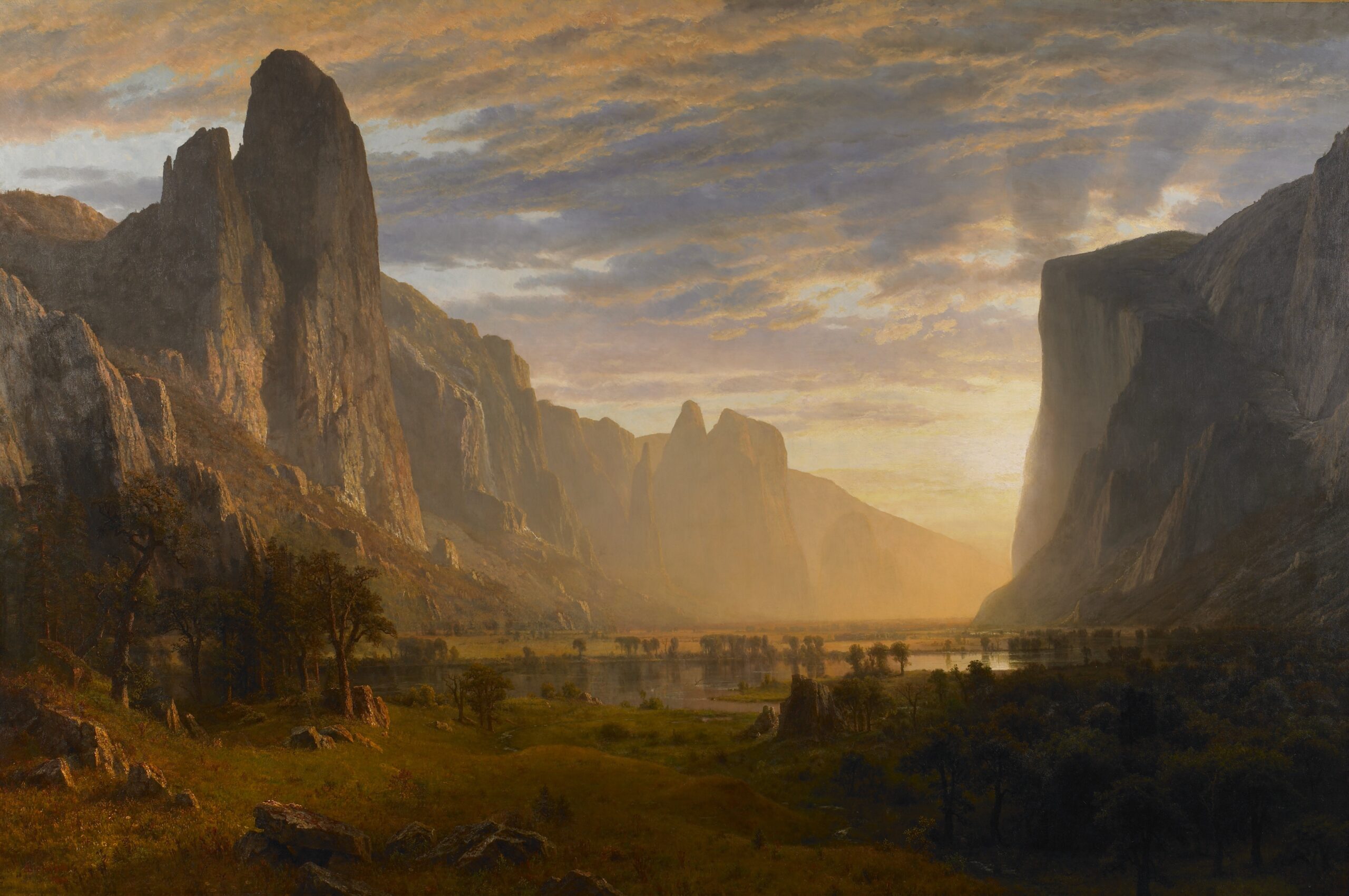
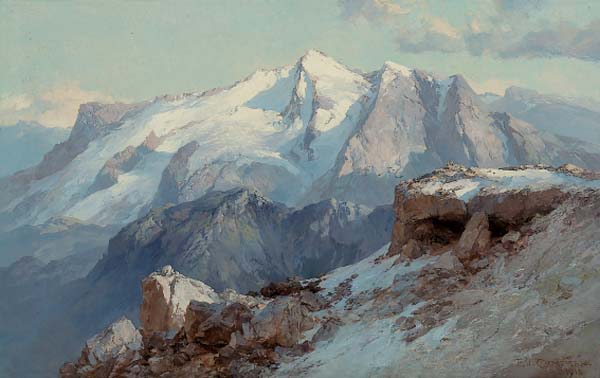
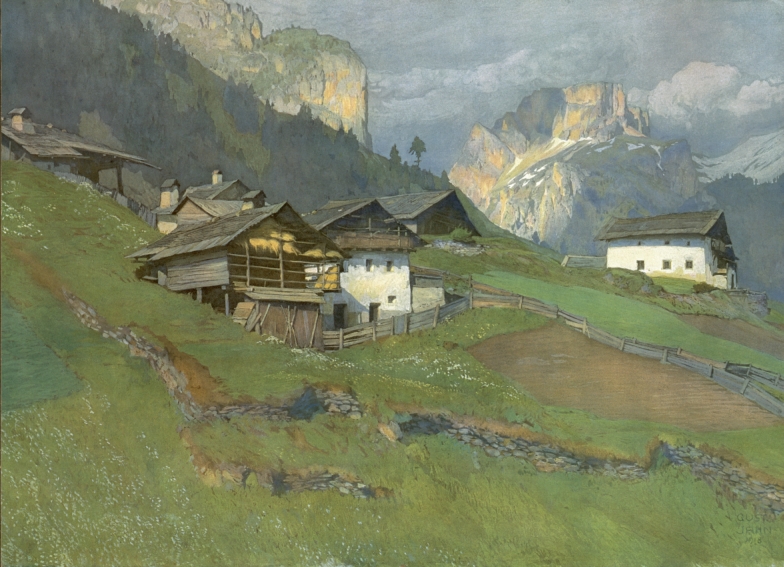
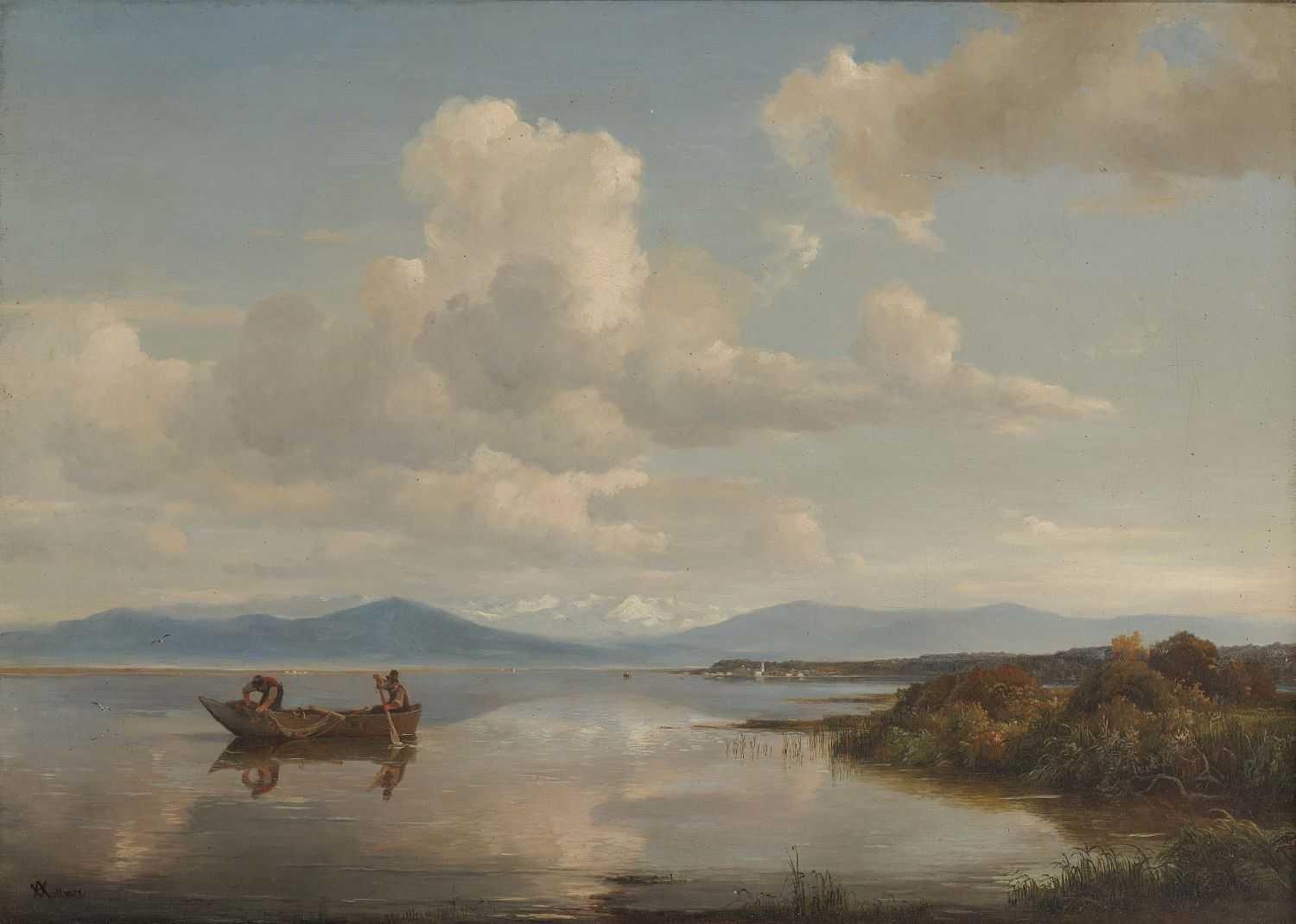
Romanic Landscapes
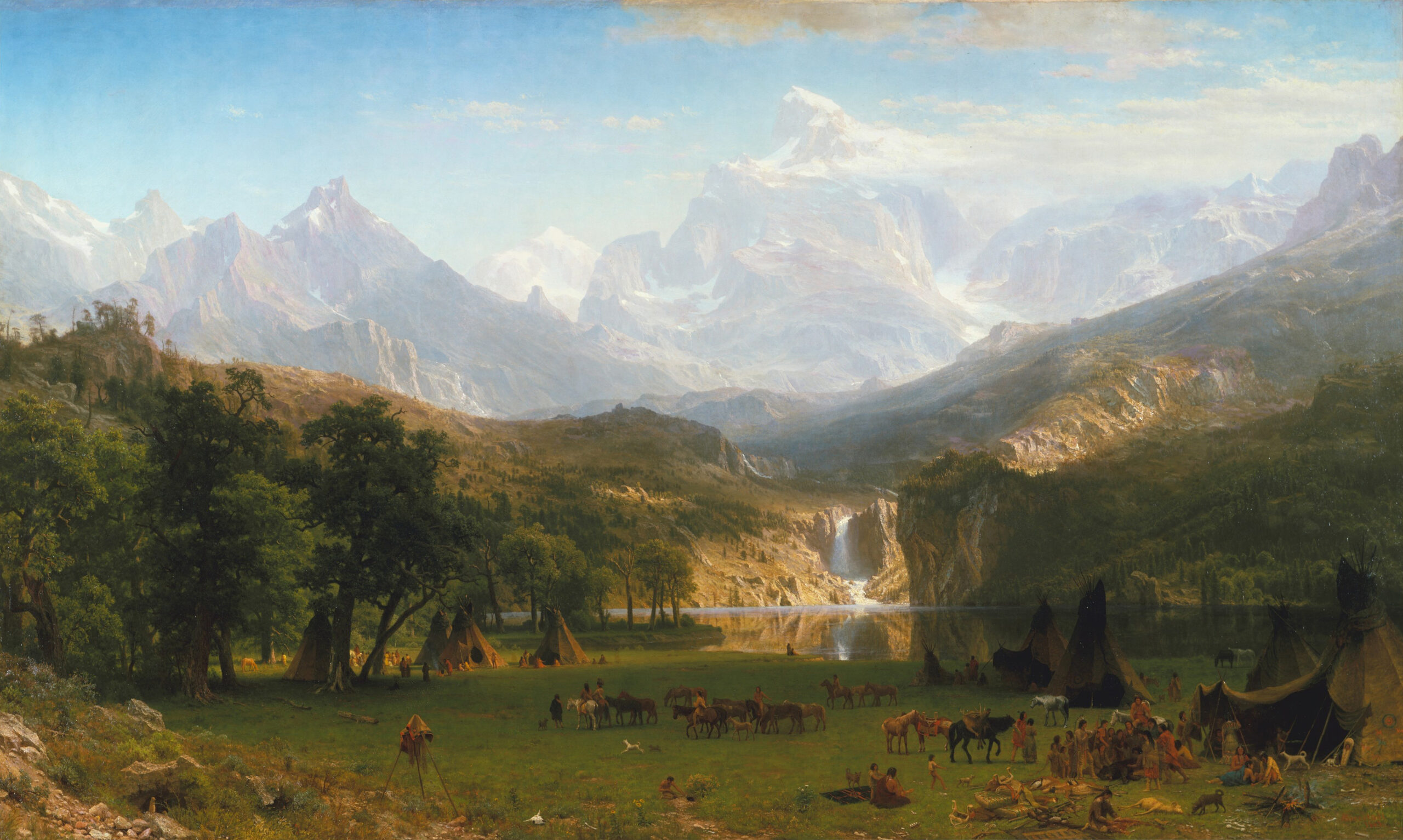
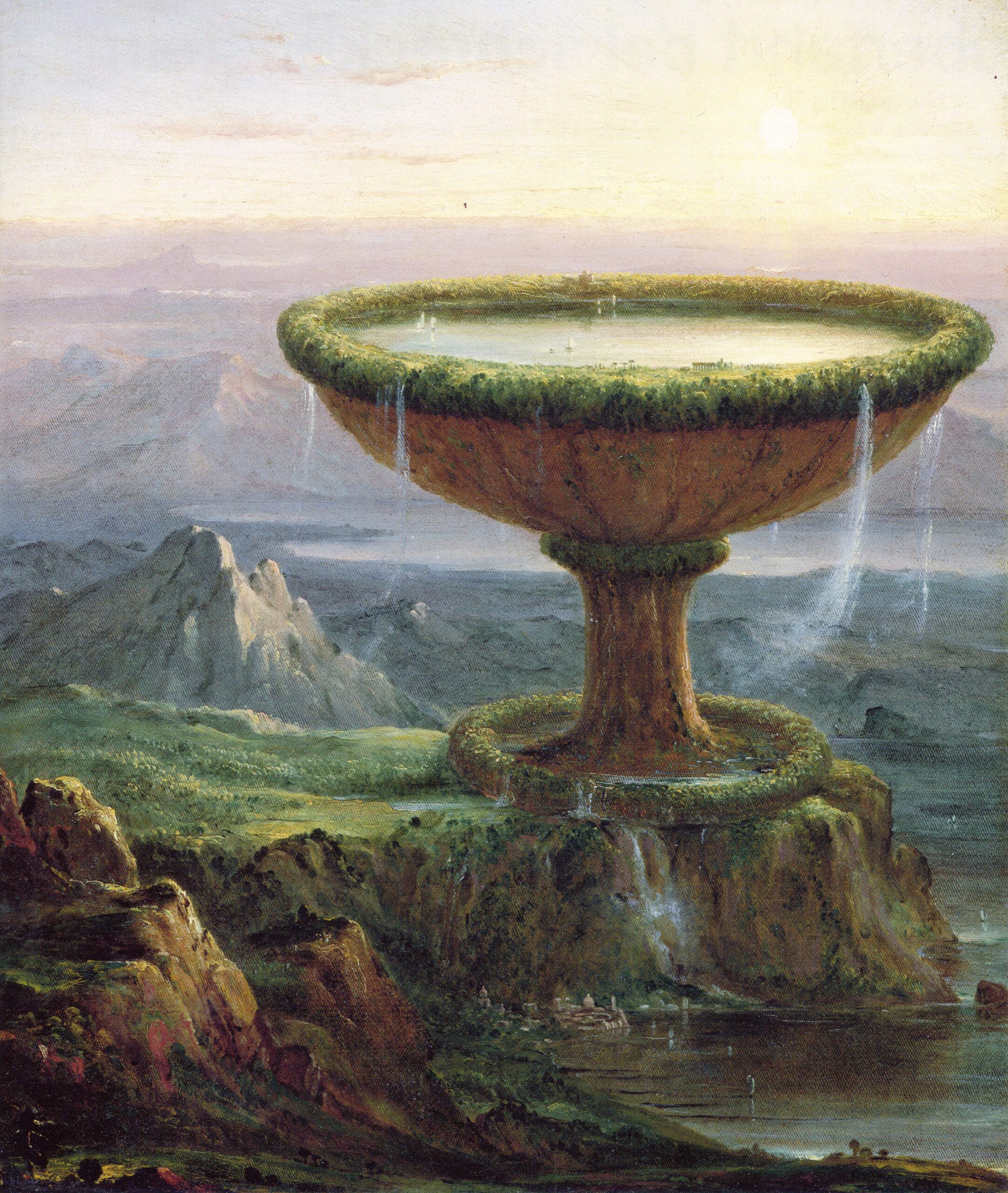
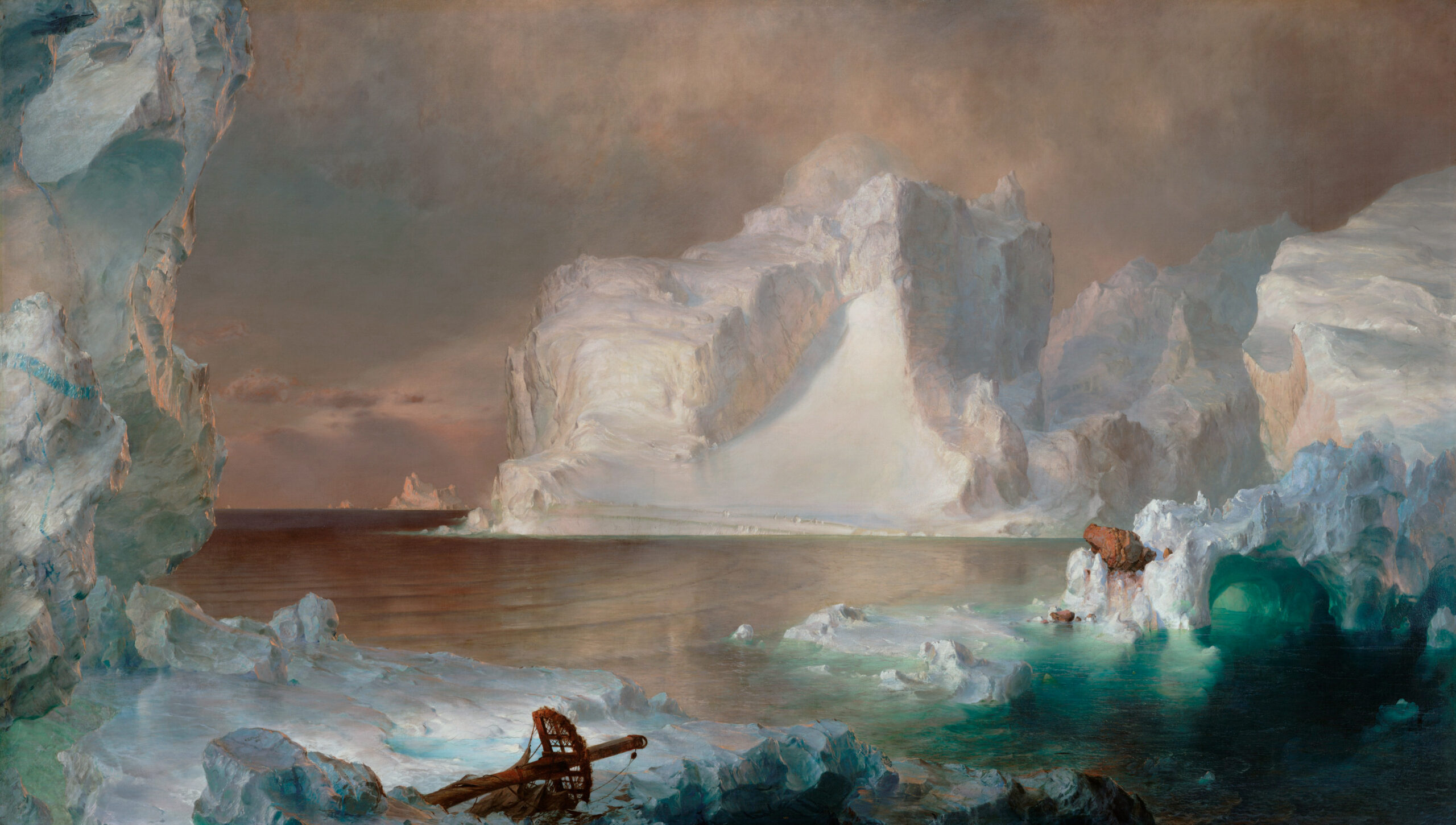
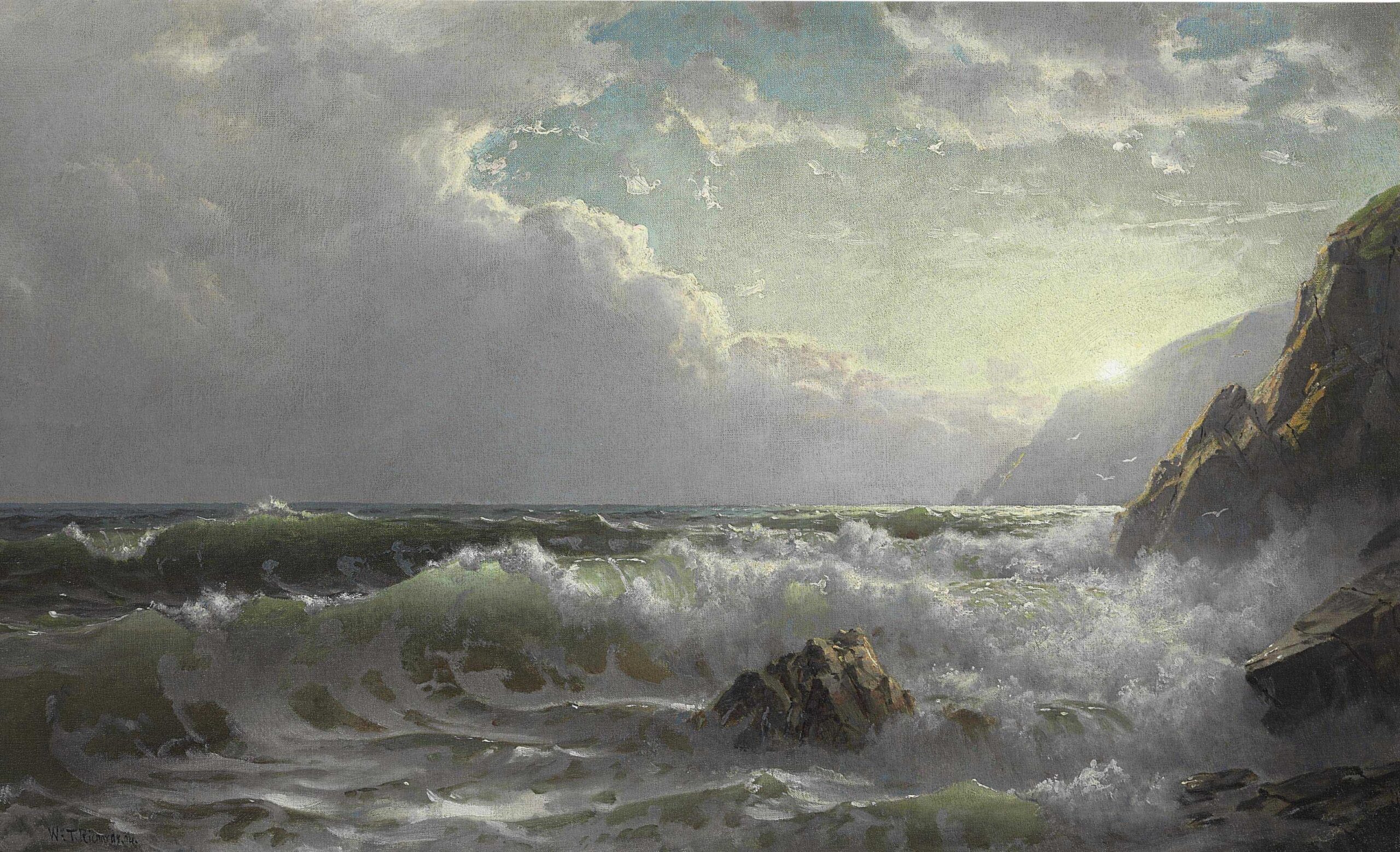
Dramatic, intense, and sublime, Romantic landscapes emphasize the overwhelming power and emotional force of the natural world. These paintings seek to capture nature not as something predictable and orderly, but as something mysterious, unpredictable, and capable of inspiring awe. Romantic landscapes emerged from the broader Romantic movement, which represented a creative and intellectual reaction against the rationalism and order associated with the Enlightenment. Rather than reducing nature to something governed entirely by reason and mathematical laws, Romantic artists portrayed it as a source of emotion, spirituality, and wonder. Their landscapes often depict dramatic skies, vast wildernesses, storms, mountains, and other scenes that emphasize humanity’s smallness in comparison to the forces of nature. In this way, Romantic landscapes present the natural world as something to be experienced emotionally and spiritually rather than simply observed.

Other Subgenres
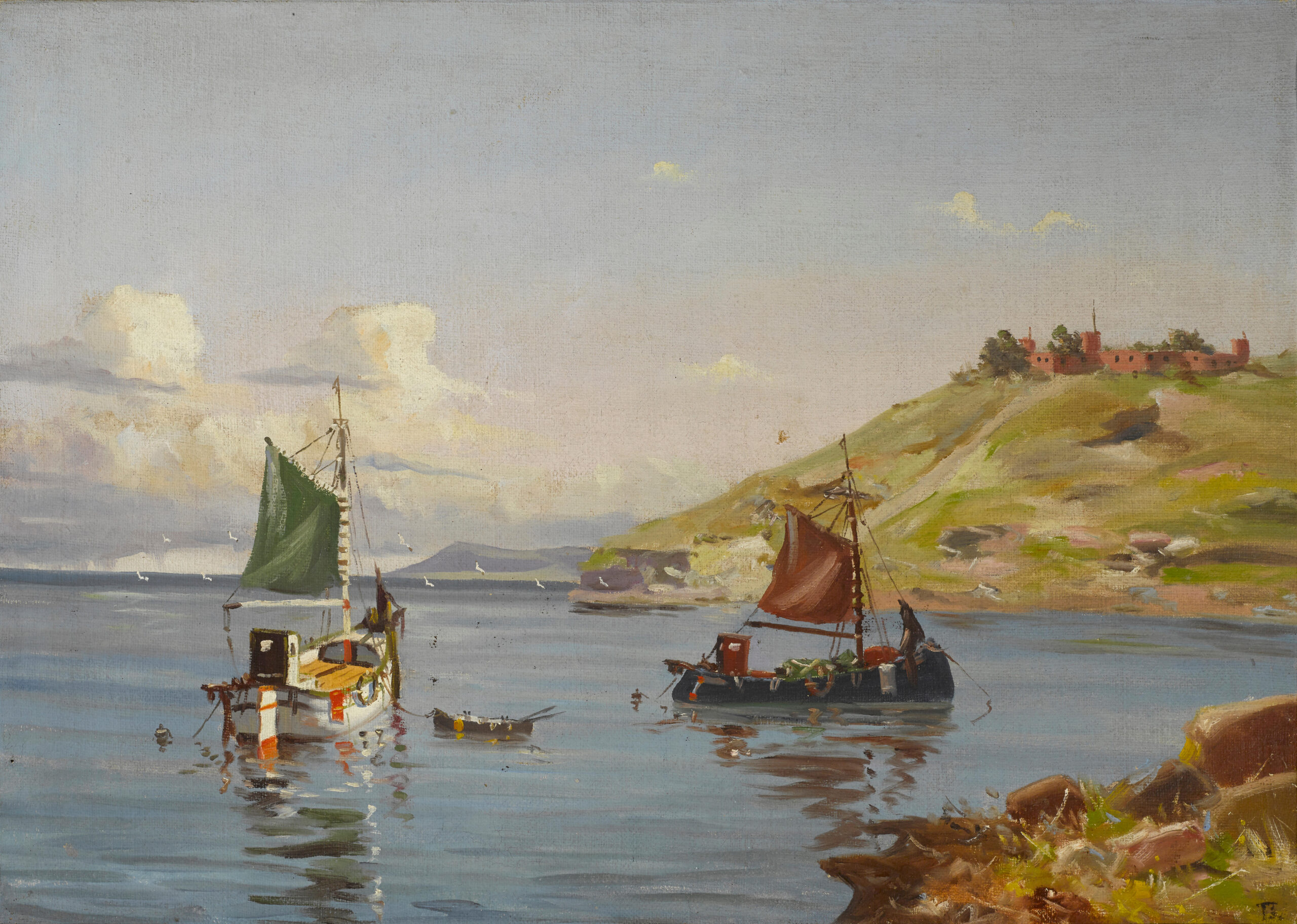
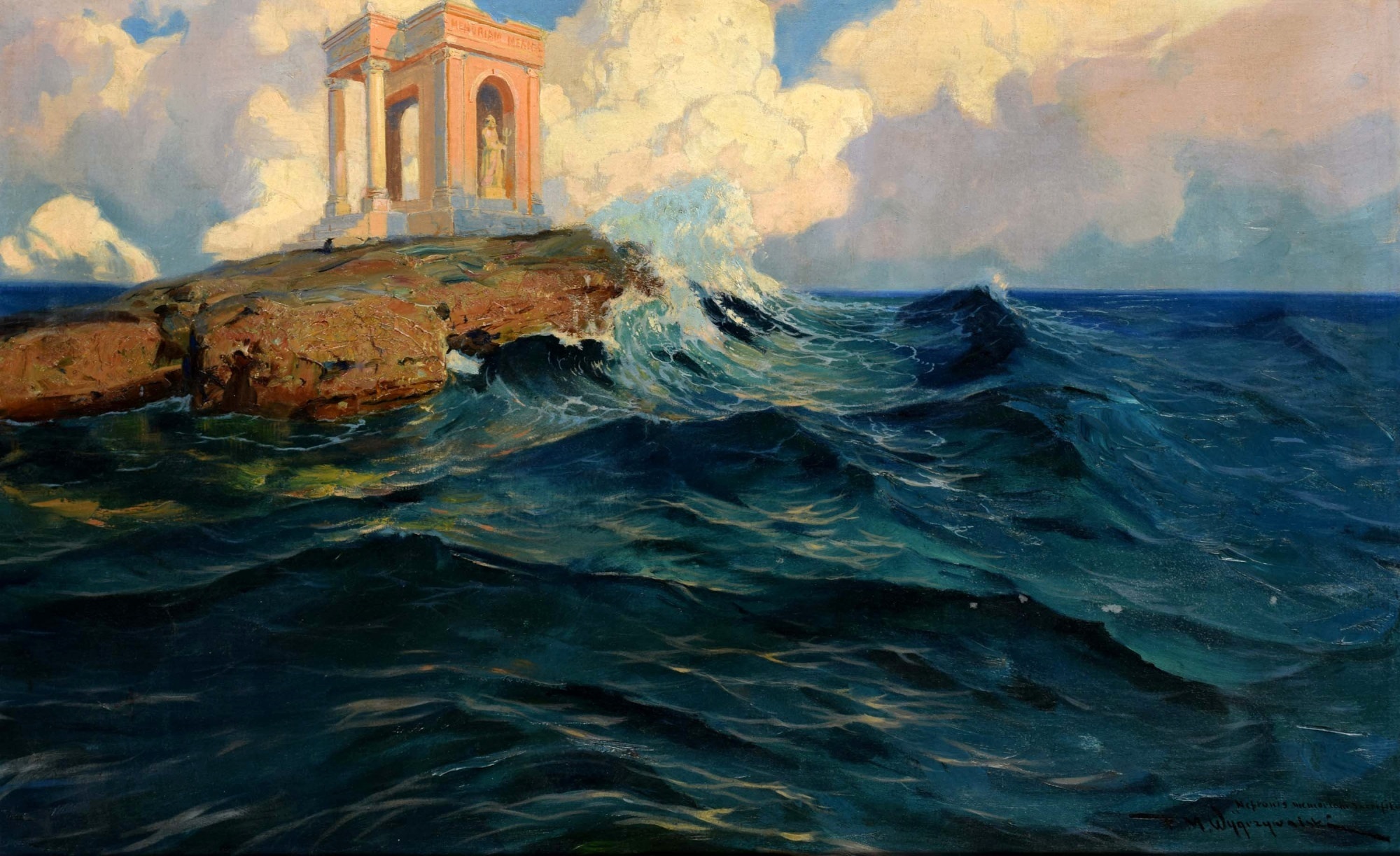
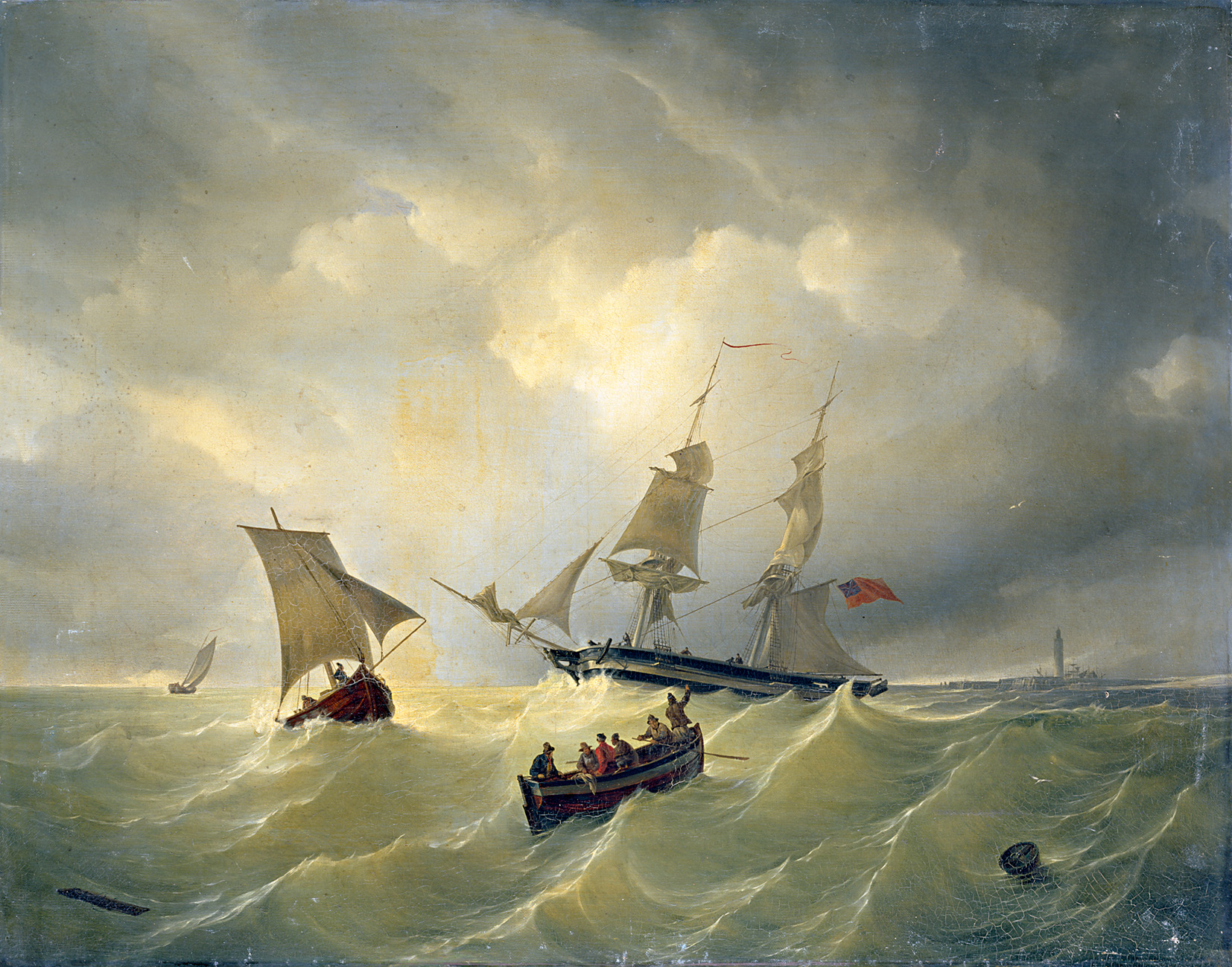
Seascapes
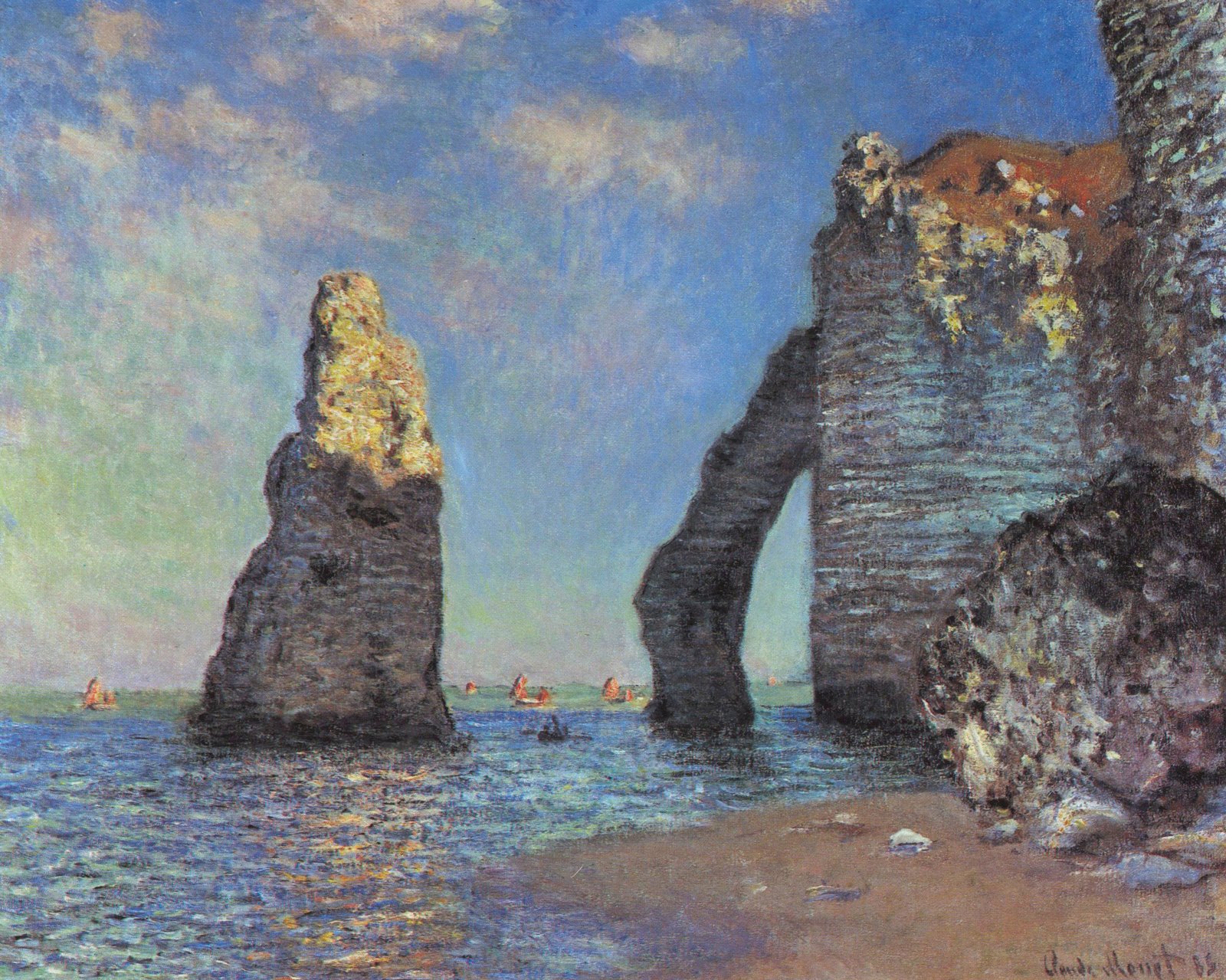
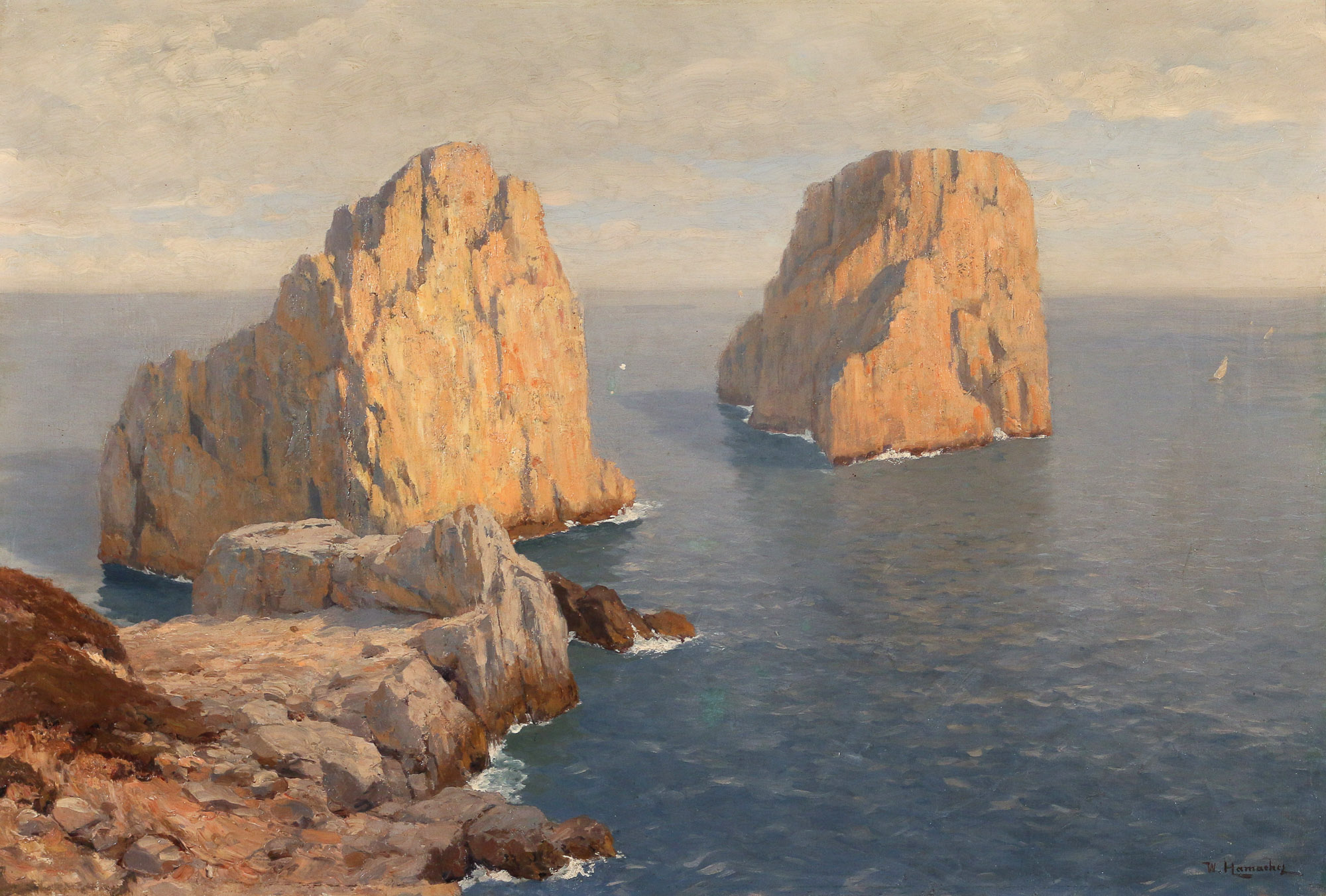
Often focused on bodies of water, seascapes can employ a variety of artistic styles to capture the character and energy of the ocean and its surroundings. Realist approaches can be used to create detailed and lifelike depictions, while abstract elements can simplify or exaggerate the forms of the scene. Romantic approaches, meanwhile, can dramatize the movement, power, and vitality of the water. Rather than belonging to a single artistic movement, seascapes demonstrate how different styles can be used to interpret the same natural subject. Seascapes are also one of my favorite types of landscape painting!
Cityscapes
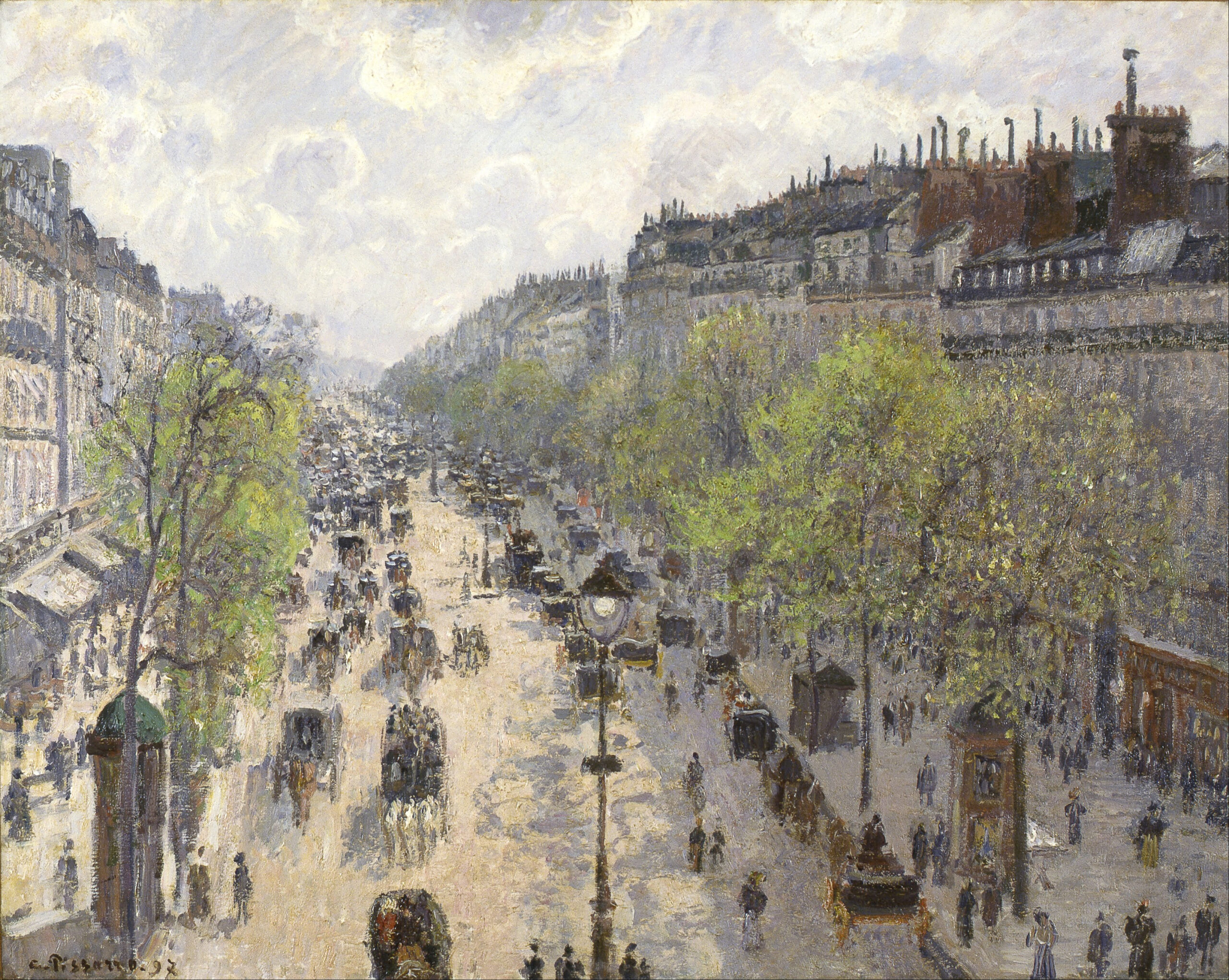
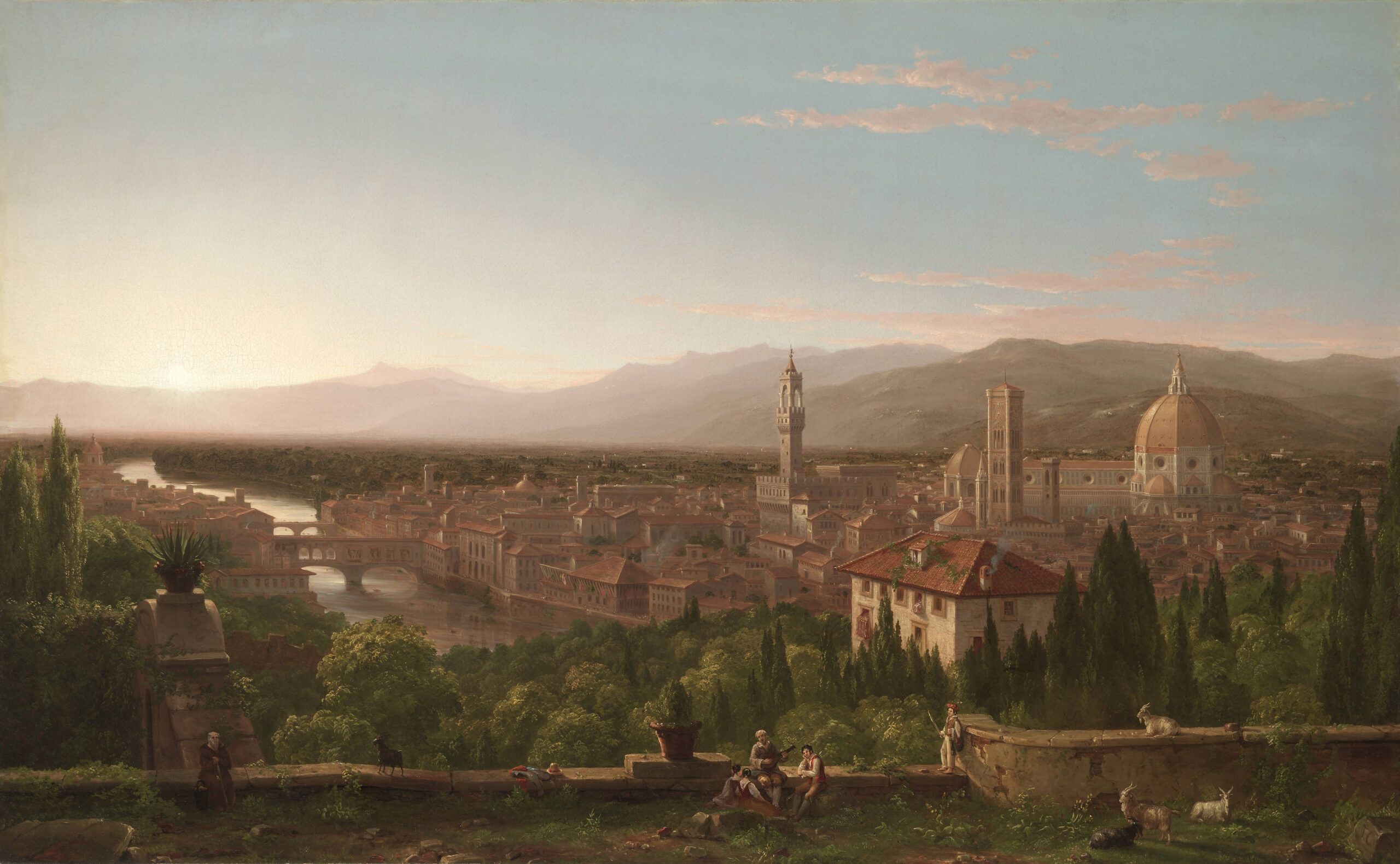
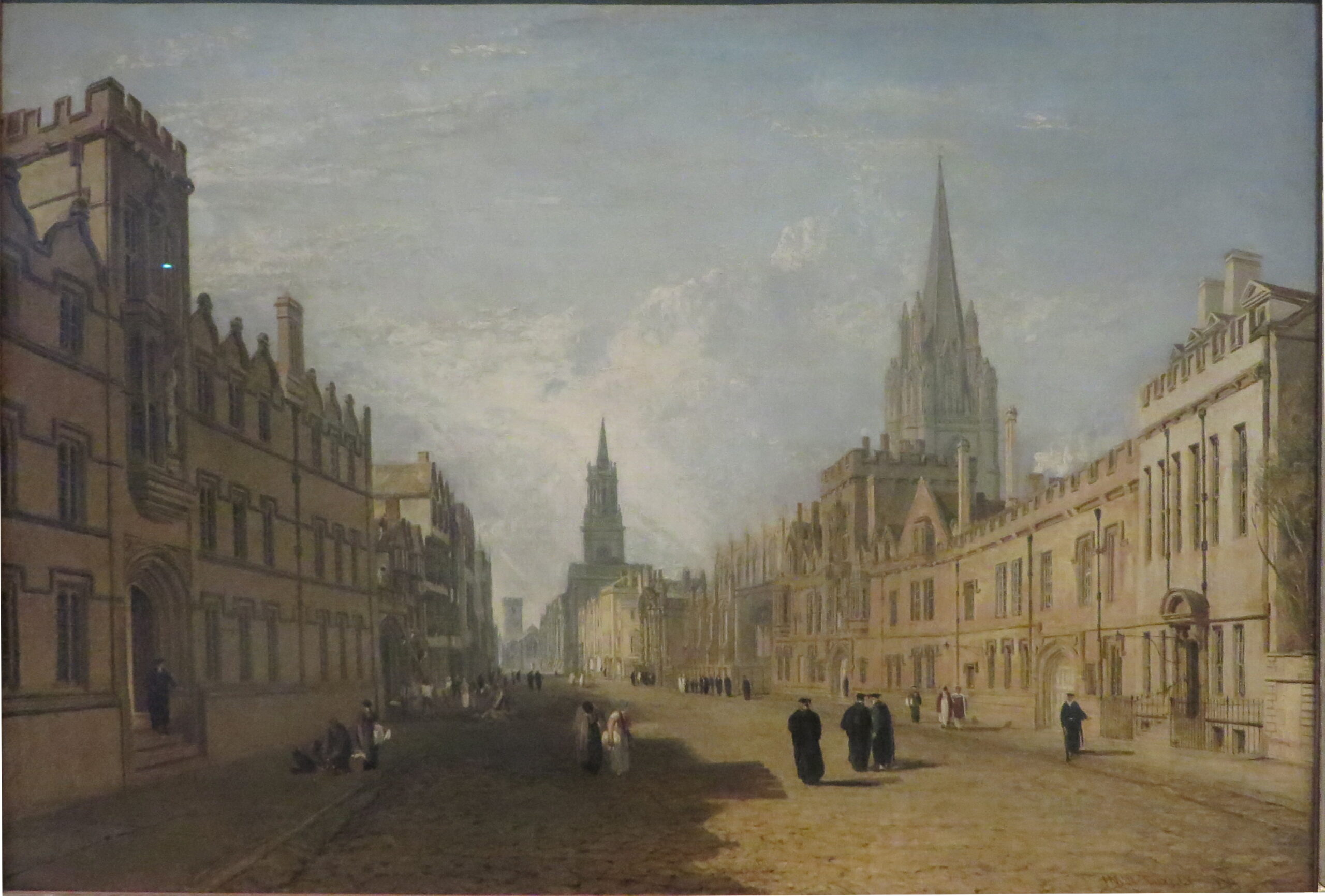
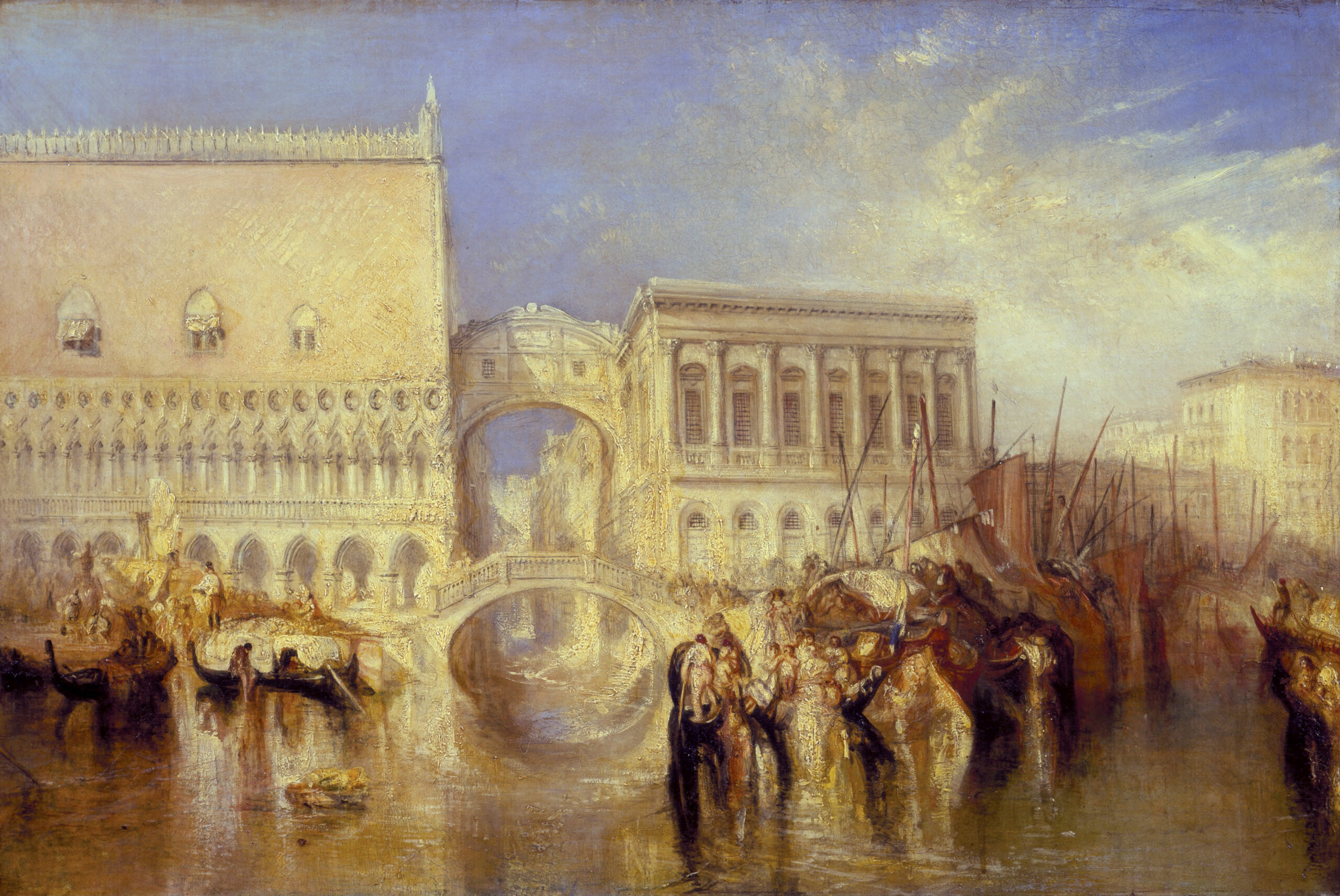
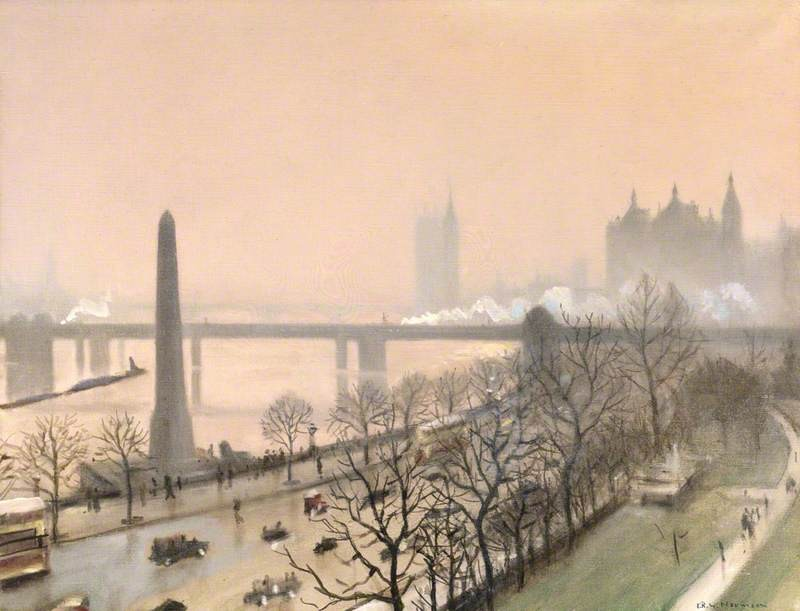
Not all landscapes depict untouched natural scenery; cities and urban environments can be the subject of landscape painting as well. Urban landscapes capture cities, towns, and neighborhoods with an emphasis on architecture, human activity, and the relationship between people and their surroundings. Rather than focusing on elements such as forests, mountains, or rolling hills, these paintings may center on streets, bridges, buildings, and other architectural or urban locations of interest. In this way, urban landscapes demonstrate that the genre can encompass not only the natural world, but also the spaces people create and inhabit.


Abstract Landscapes
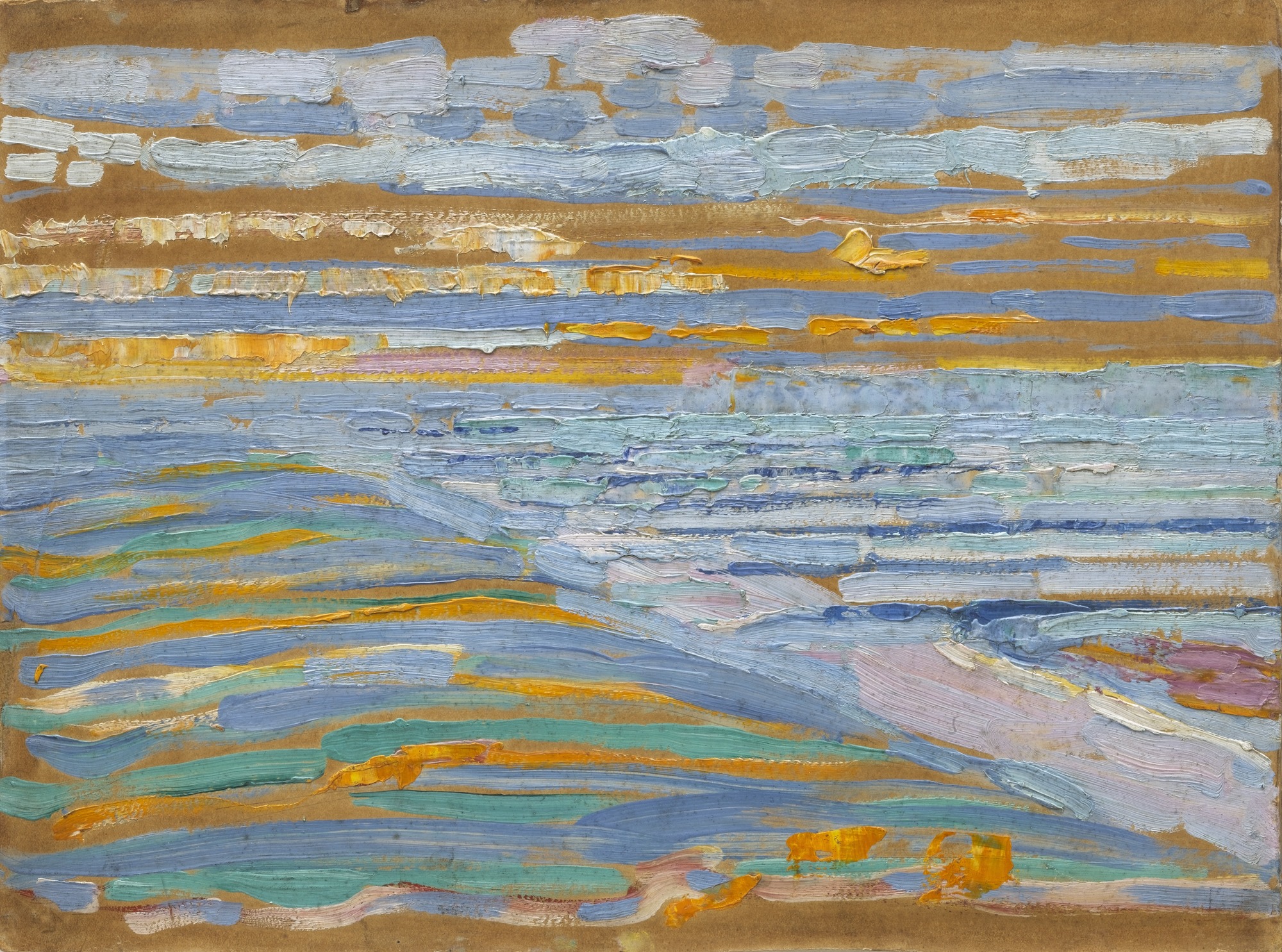
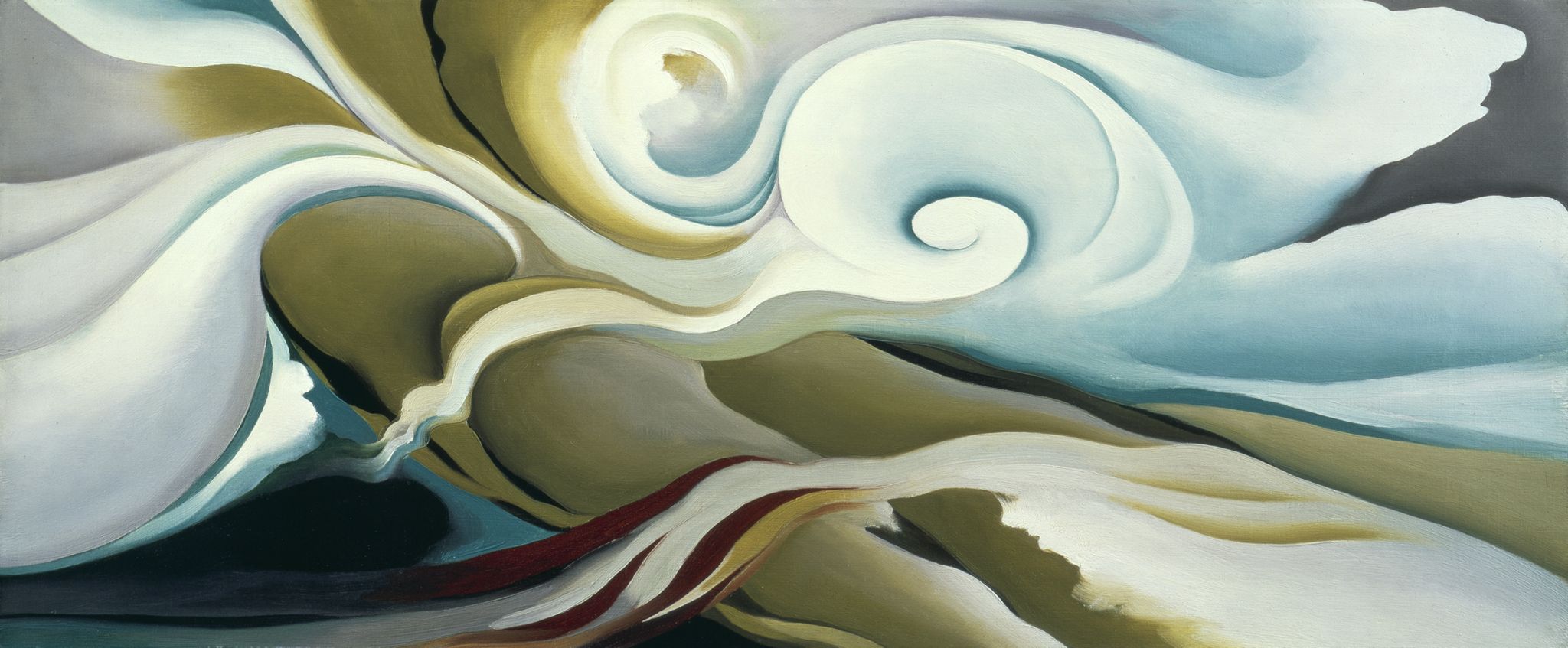
Expressive, imaginative, and often highly stylized, abstract landscapes simplify, distort, or exaggerate elements of the natural world. Rather than attempting to faithfully reproduce a scene, these paintings often use color, shape, gesture, and symbolism to convey an emotional or imaginative response to nature. Like some of the other categories discussed here, abstract landscapes can overlap with other styles, such as the abstract landscapes of Joan Mitchell. These paintings invite viewers to experience the natural world through interpretation rather than direct representation, emphasizing the emotions, ideas, and associations that a landscape can evoke.
Final Word
This article is in no way an exhaustive exploration of landscape painting, and many of the works featured here reflect my personal tastes and inspirations as a painter. If you found a style or genre that particularly drew you in, I encourage you to spend an afternoon exploring it further! There are so many wonderful landscape paintings out there, and with so many different approaches to explore, it can feel like there is an endless number of artworks waiting to be discovered. I hope you enjoyed this post, and if you’d like to explore more, check out my other posts about art history here.


