Painting Supplies for Beginners
If you are new to painting or curious about the basic supplies needed to get started, then this article has you covered. We’ll discuss everything you’ll need to start painting as a beginner—from paint and brushes, to canvas and how-to books best suited for new painters.
Basic Supplies
Paint
Primary colors and a large bottle of white are all you’ll need to get started at first. Whether you’re starting with acrylic or oil, definitely consider buying a bulk size of white, it often runs out very quickly. Many craft stores will have paint sets with all of the basic colors and these are often organized based on experience level, from beginner to advanced. Search for a cheap set of beginner paints to get started, and later on you can invest in more expensive brands.
Brushes
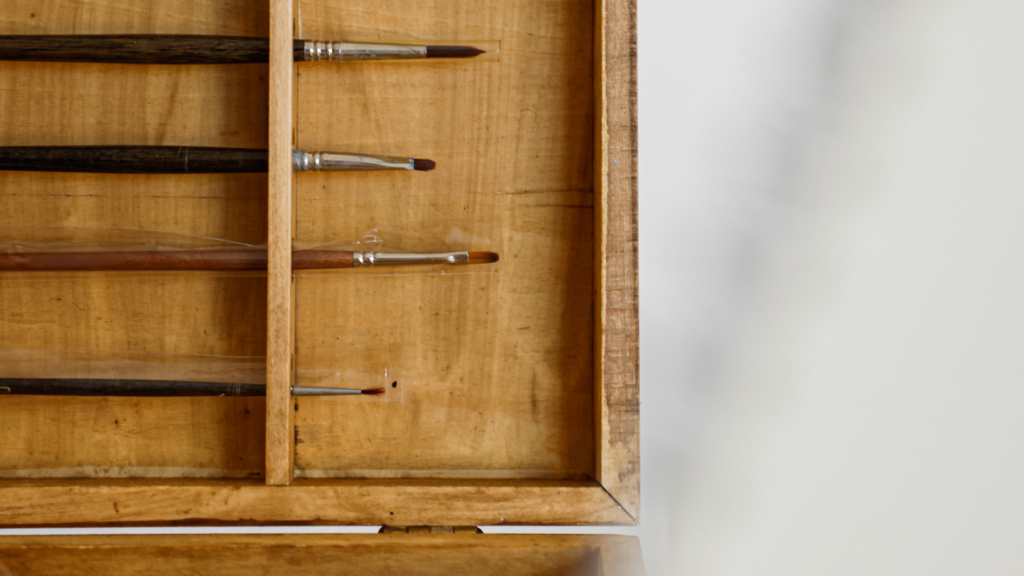
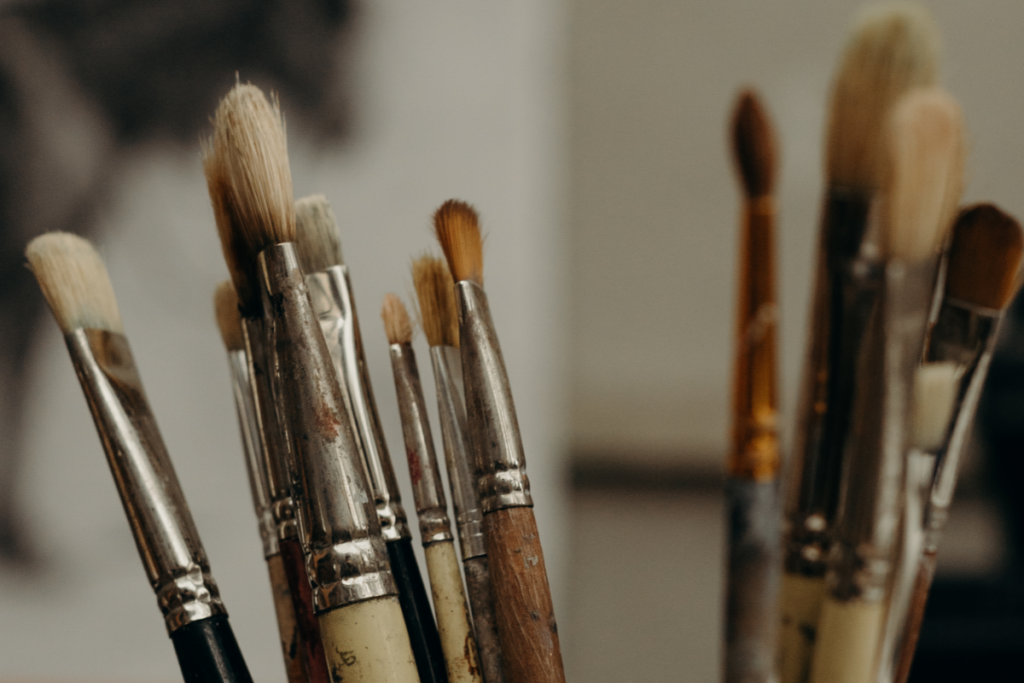
Large, medium, and small brushes. You can easily find a set of beginner brushes that range from small, detail brushes to larger ones at any art store. Consider what you want to start painting and pick a set with a nice range of sizes. You may also need to pick up an extra, larger brush at 1.5 or 2 inches in size (the larger square-ish looking ones) alongside the set, as some packs of brushes don’t include it. Large brushes are great if you want to cover the whole canvas in one color. For example, if you are learning to paint landscapes or want to use an undertone, then you’ll likely need a larger brush at some point.
As you continue learning to paint, you’ll figure out which brushes you like best and grow a small (or large) collection over time. If you can, try to feel the bristles of the brushes you’re considering so you know how harsh or soft they will be. Lastly, don’t forget to buy brushed based on the pain you will be using; certain brushes work best with certain paints, and are often labeled as such.
Canvas
Canvas paper is a great place to start and a lot less expensive than a pack of normal canvases. You can usually find canvas paper in the same isle as the sketch books. You could also start with a pack or two of flat canvases in small and medium sizes. These are also a bit cheaper, and will take up less space in your painting area. Both of these options will work just fine until you know what future projects you’ll be working on and feel ready to buy bigger, more expensive canvases. These are great options for early studies and getting the basics down without breaking the bank.
Easel
The stability that comes from an easel is exceptionally useful as you learn to paint, and there are plenty of beginner friendly and inexpensive easels that will last you some time. Consider the size of canvas you plan to work on and find something simple that will suit your needs and beginner projects best based on your chosen canvas size. Again, you can always find a beginner friendly easel, but I would recommend going into a store or reading reviews closely to make sure it isn’t poorly made. If you are not ready to pick up an easel, you can simply work on a flat surface, but be sure to lay something down underneath your canvas, like paper, to protect your surface from the paint.
Pallet
I love my pallet because I get to see all of the colors I’ve used over the last few years, but honestly, when I started out, I used paper plates. Pallets come in plastic, wood, glass or ceramic and any of these options will likely last you for years. Getting started you’ll want a small/medium pallet. You can either buy a simple wood pallet, or you can makeshift one with an old picture frame or another smooth flat surface that you don’t mind destroying.
Vessel for water or Spirits
A designated painting cup to clean off brushes between different colors is important for acrylics in particular (p.s. don’t drink out of this cup anymore, it’s only for painting now). Use an old mug, a mason jar, or any container that will hold water and allows you to effectively rinse off your brushes between colors. Again, use something that you don’t mind using only for painting, you don’t want to drink out of a cup that has paint residue and chemicals all over it. If you are painting in oil and will be using spirits or slow dry mediums, you can simply use a small dish.
Overview
Once you have your paint, brushes, and canvas, you are just about ready to start painting! You will need somewhere to rest your canvas (your easel), to put your paint on (pallet), and a vessel for water to rinse your brushes off in or for other mediums. As noted earlier, your easel, pallet, and vessel can either be purchased with your other supplies or upcycled from items around your home. Don’t forget to check thrift stores and similar locations if you’re really on a budget!
One final thing you may want to pick up is slow-dry medium or paint retarder to keep your paint from drying too quickly, specifically if you are using acrylic. As a beginner you may spend a longer amount of time with paint exposed to the air while watching tutorials or referring to references, which means you could lose some paint in the process if you are not using it within a reasonable amount of time, because it will simply dry up. Slow-dry medium will help your paint stay fresher on the pallet and helps to extend the color. Be sure to pick up the right kind of medium for the right kind of paint, there are different mediums for acrylic vs oil and so on.
Resources and Tips
Tutorials & Books
There are a ton of books and tutorials that can be helpful for beginners. First you can find plenty of tutorial books to learn how to paint Waterscapes, flowers, and much more. Take some time to consider what you want to paint, and look for books that fit the style and composition you are going for. Next, YouTube is a great place to save and organize tutorials that you can learn from as well.
Create a playlist or two for painting, and start searching for the topics that interest you most. Save the tutorials you find in clearly labeled playlists, and you’ll be able to access them whenever you are ready to paint. It’s always good to start small, so if you want to paint ocean scapes, for example, follow a few tutorials on how to paint waves, beaches, or skies then try to combine those skills into a completed, larger painting.
Inspiration
Finding inspiration is just as important as finding tutorials and guides. Staying inspired and excited about painting will help you move consistently towards your goals and help you continue to grow at a good pace. You can set up a dedicated Pinterest board for the paintings and styles that call to you most. This will give you a chance to reference back to the subjects you want to learn, styles to study, and the ambitions driving your creative journey. You can also search on google or Instagram to find reference photos for studies, to group ideas together for inspiration, or make folders of things that inspire you most. It is important to note that, unless otherwise specified, many images found online have a copyright, so if your goal is to sell artwork, then you’ll have to do some research in that regard (I am not a lawyer).
Space
A final tip for beginner painters is to set up a dedicated space just for painting. Having even a small area to return to for your painting practice will help encourage a creative head space and help with routine. Even if you paint at the same desk you work from for your 9-5, or in a small corner of a room, try to set up your paints and easel the same way for each painting session, keep some items in the space that inspire you, and try to paint around the same times.
If you do have more space to create a mini art studio, take some time to decorate. Print out a few images that inspire you, get some faux plants to decorate the space, or aesthetically store your art books and supplies. Imagine that the small corner of your room will one day be a full studio just for you (if that’s what you’d like).
Keep your art supplies tidy and easily accessible, that way if you feel a burst of inspiration, you can get right to work. One of the best pieces of advice I’ve found to be true is that if your tools are easy for you to get to and see, then you will be far more inclined to keep practicing. Versus if your supplies are in the back of your closet covered by this week’s laundry (no judgment, we’ve all done it).
Conclusion
Deciding to pick up a new hobby or choosing to become an artist can be scary and daunting, it can be difficult to decide where to start, and challenging to discern which direction to choose when learning. Build up a small arsenal of supplies, resources, and ideas to help you jump into painting headfirst and confidently. All that is left to do is to get to work and stick to it. I hope this article helps any new artists out there find inspiration and motivation, and better understand the tools you’ll need to start painting. Keep on researching, find what works best for you, and take your time. See you on the next one.
Check out this article on learning to paint at home for more tips!