As a young landscape painter, I’ve looked to a range of styles and techniques for inspiration, but tonalism was the first style that truly sparked something in me. I spent years searching for a style of landscape painting to direct my work, and when I came across the tonal landscapes of George Inness, I knew I had found it. I was immediately enamored by his ability to capture such moving scenes with a predominantly neutral and dark palette. His landscapes can be moody and hypnotizing, while also making you feel as if you are in the perfect hazy daydream or a lost in a memory from youth. His compositions are the pinnacle of American tonalism, and during my trip to Montclair, I decided to visit this master of landscapes at the Montclair Art Museum to see his works in person.
A Trip to Montclair
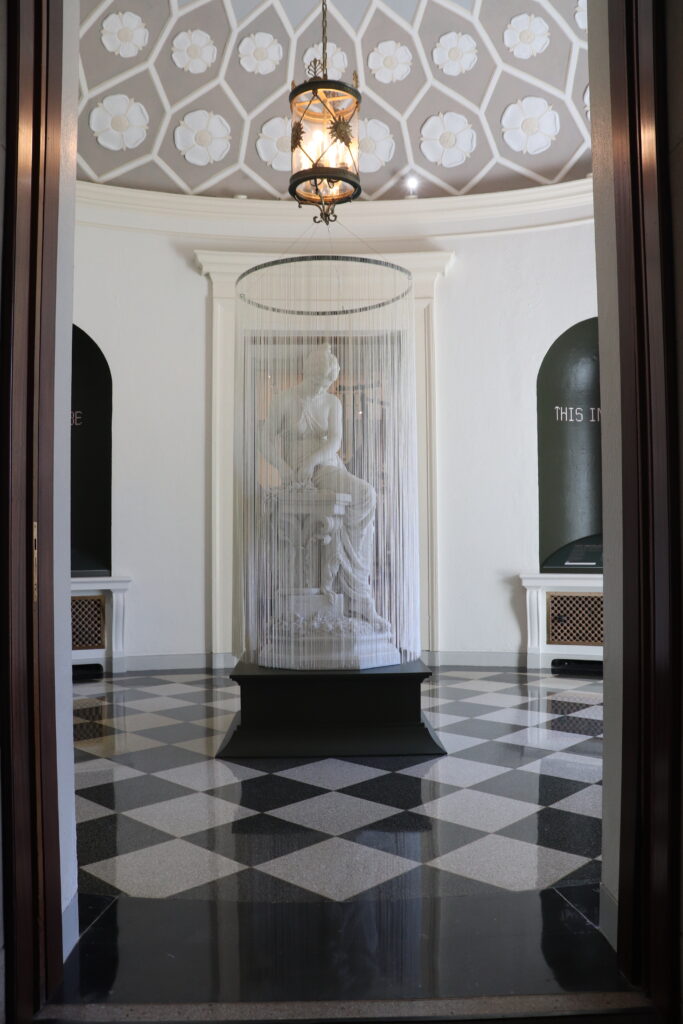
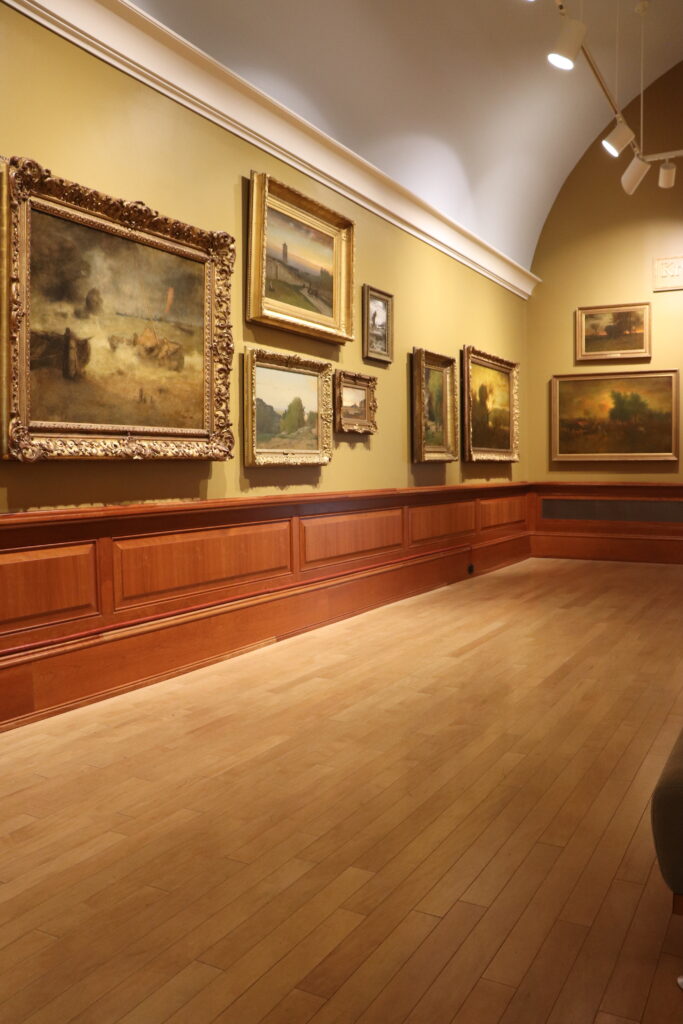
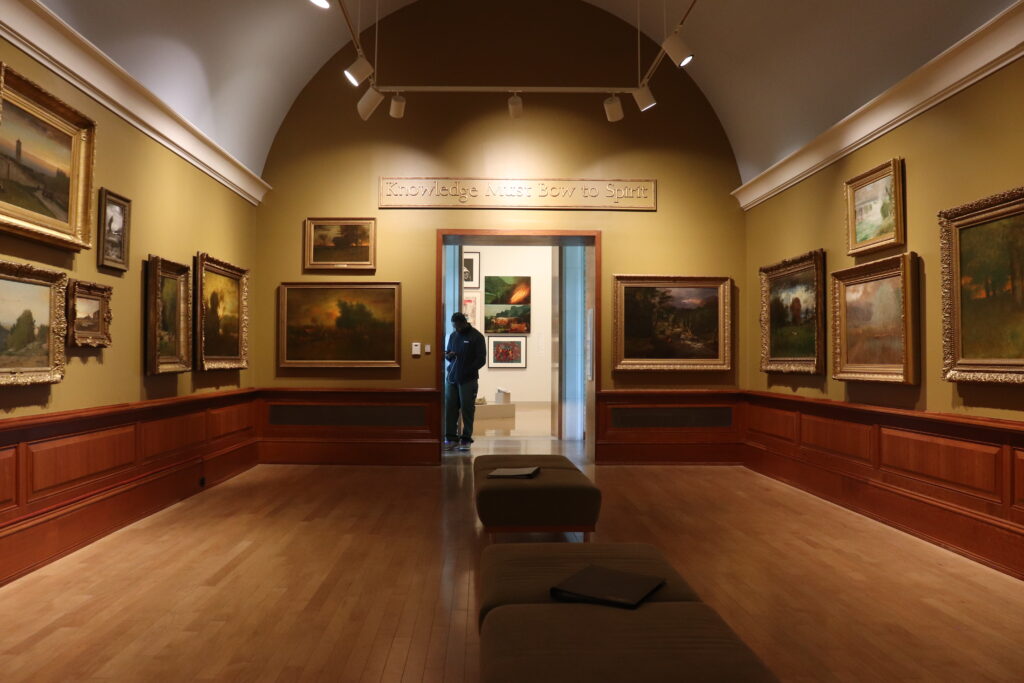
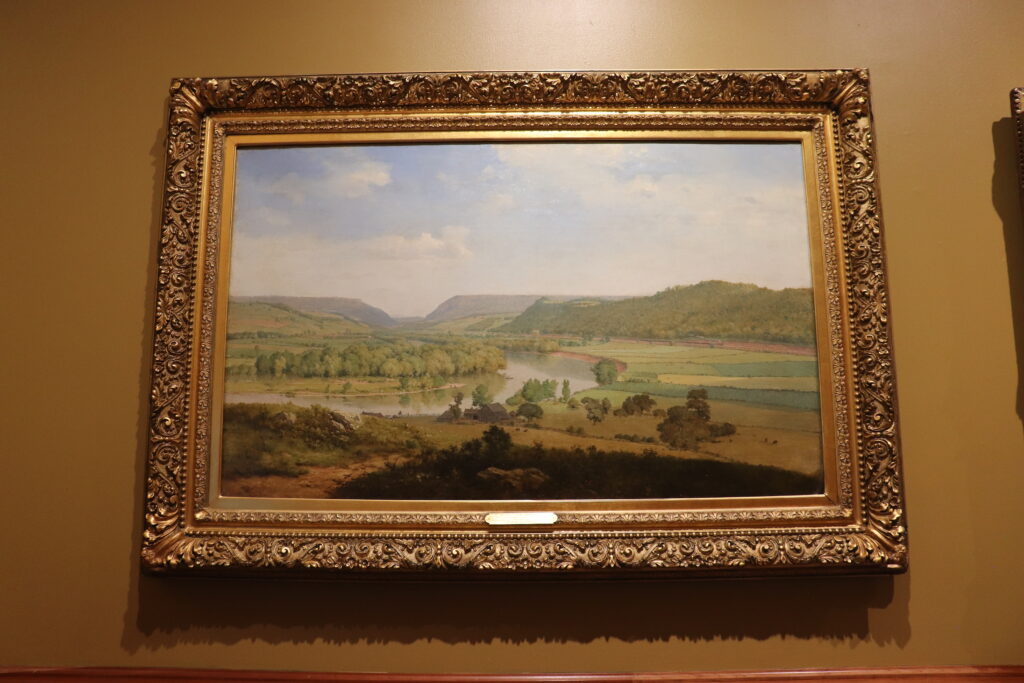
After some light window shopping and a cappuccino, I spent a hazy Saturday afternoon at the Montclair Art Museum. Nestled between two of the museums main exhibits was a small, warmly lit room filled with the landscape paintings of George Inness. I was greeted by an exciting array of his works, from moonlit landscapes to pastoral scenes. What struck me first was the different sizes of his paintings and the way his skills transfer so easily across canvases of varying sizes. At the same time that Inness captures a perfectly picturesque farmland on a huge 46×65 panel, he could also illustrate a rocky, mountainous landscape, reminiscent of old westerns, in surprising yet tiny detail.
His color palettes and compositions were also points of excitement for me. The paintings on display draw on the transcendental and tonal modes that were so popular during his time, which used color to emphasize the mood and atmosphere of a scene, often relying on limited pallets and muted values to convey meaning throughout the composition. In Inness’s work he occasionally strays from this tradition, infrequent using saturated colors with shining precision to enhance the delivery of a scene.
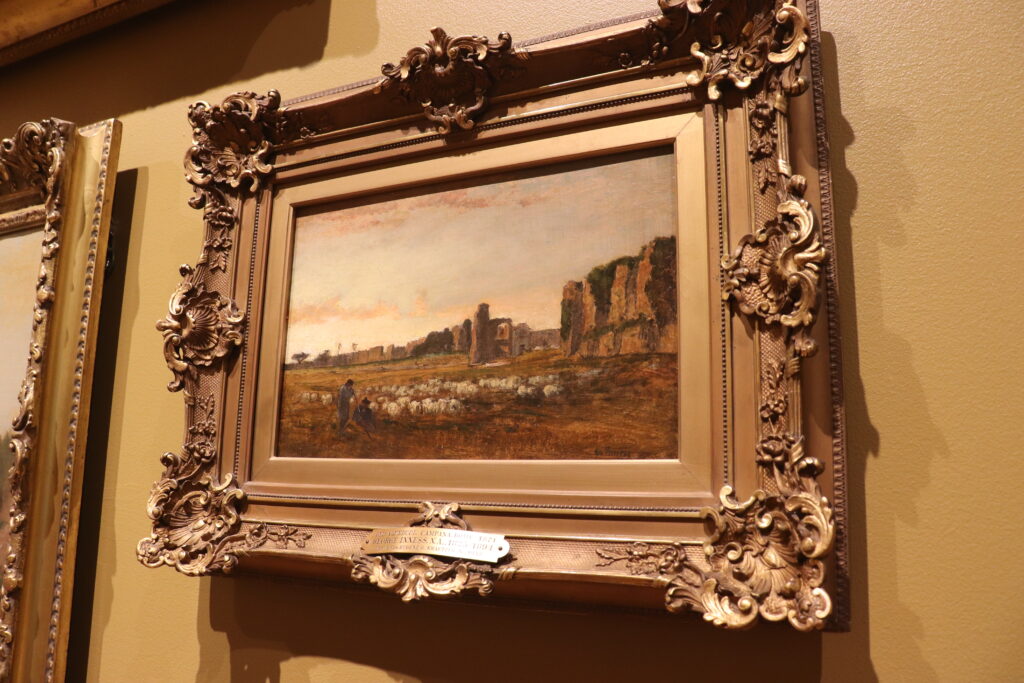
Seeing these paintings up close was almost hypnotic. I went from observing a painting of Niagara Falls, its waters in beautiful and pristine detail, to a pastoral scene of a shepherd and his flock, where the sheep were painted as nothing more than a few fluffy circles, yet conveyed perfectly as the animals that Innes intended. One of my favorite parts about closely observing paintings is seeing how incomprehensibly simple shapes can work to convey something as complex as a four-legged animal or a vast structure in the distance.
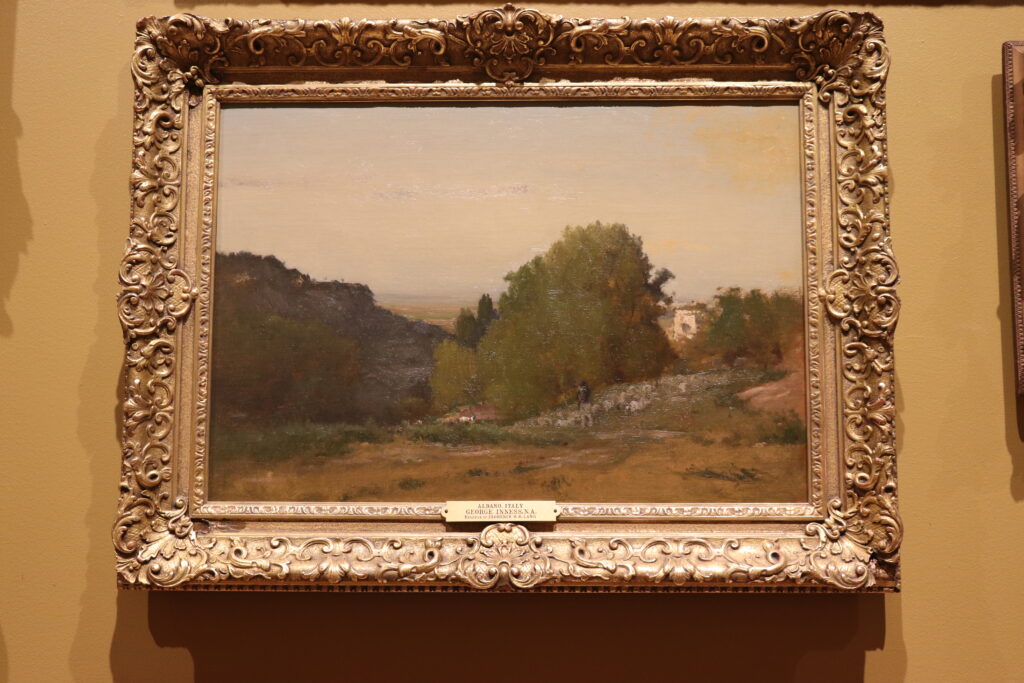
Innes was quoted in Harper’s New Monthly Magazine saying, “The true use of art is, first, to cultivate the artist’s own spiritual nature.” As a viewer of his work, his spiritual nature seems to be rooted in devotion, a devotion to the mundane, and to the simple yet boundless manifestation of the natural world. Every painting captures a unique spiritual quality of the natural world, imbuing landscapes with soul, harmony, and awe. At the same time, the world is only enhanced by what is readily available, he rarely goes out of his way to dramatize with otherworldly elements or haunting scale. Inness allows the natural scene to speak for itself, adorning only with what is already there, and to me this conveys the spiritual nature of an artists who has strength of character, gratitude, and a deep appreciation for the beauty of the natural world.
His landscapes convey something about the natural world that, I think, has been lost in our modern, technocratic era. His work isn’t just about the nostalgic yet elementary nature of the landscape; nor is it simply about man’s place in relationship to the natural world. His work is a testament to how the ordinary can exist as something that is at the same time sublime, modest, and unquestioning. Seeing the world as it is and embracing the glory in what is simple, the abundance in what is readily provided to us, and not asking for any more or any less, is what his work immortalizes. George Innes’ landscapes ask us to take a step back and really see nature as the magnificent and awe-inspiring phenomenon that it is.
My time with Innes’ work has lent a new perspective to the way I think about landscapes, and I hope that in my next paintings, I can convey even an ounce of the devotion and respect for the natural world as Innes did.
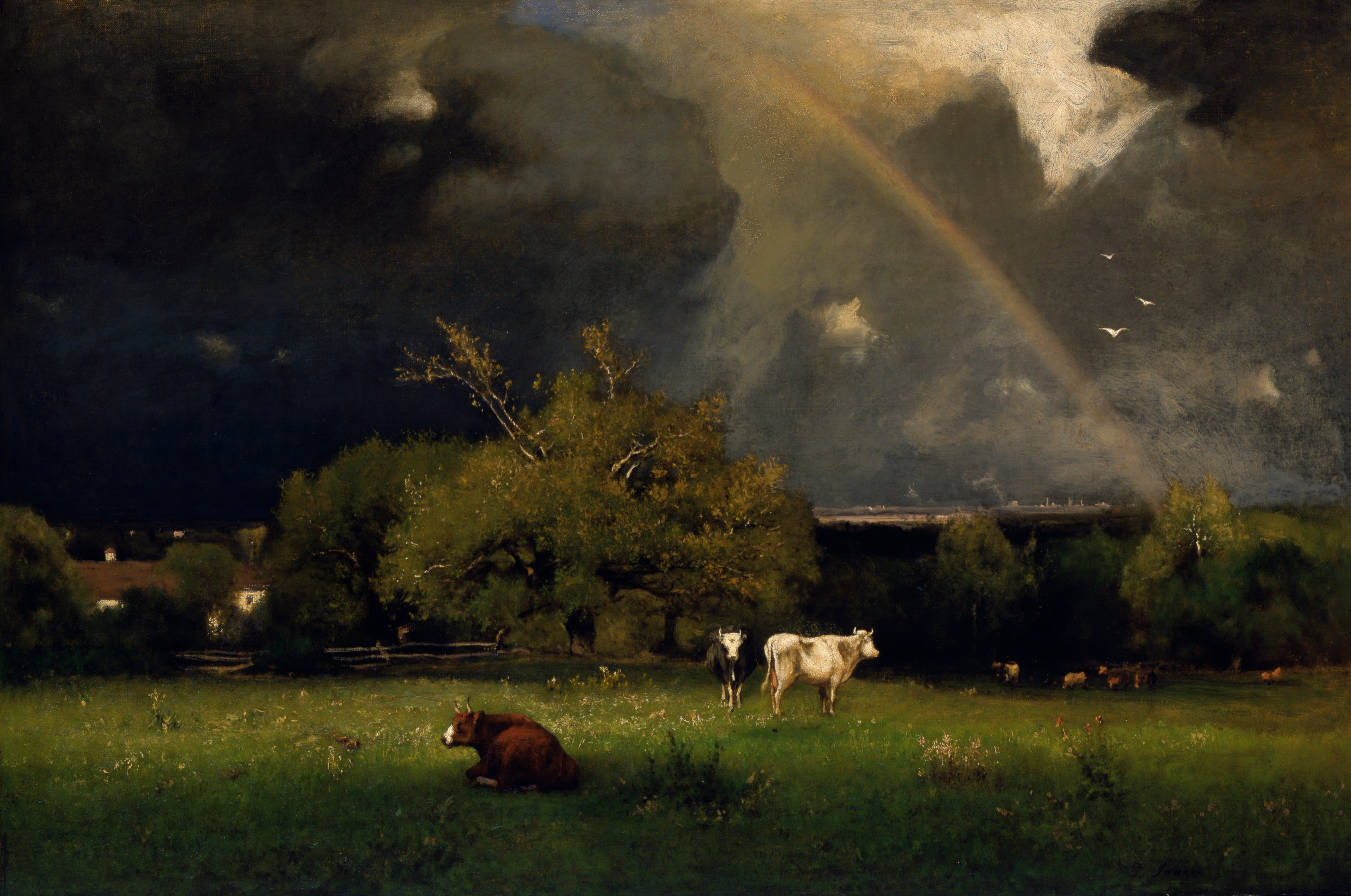 The Rainbow, 1878.
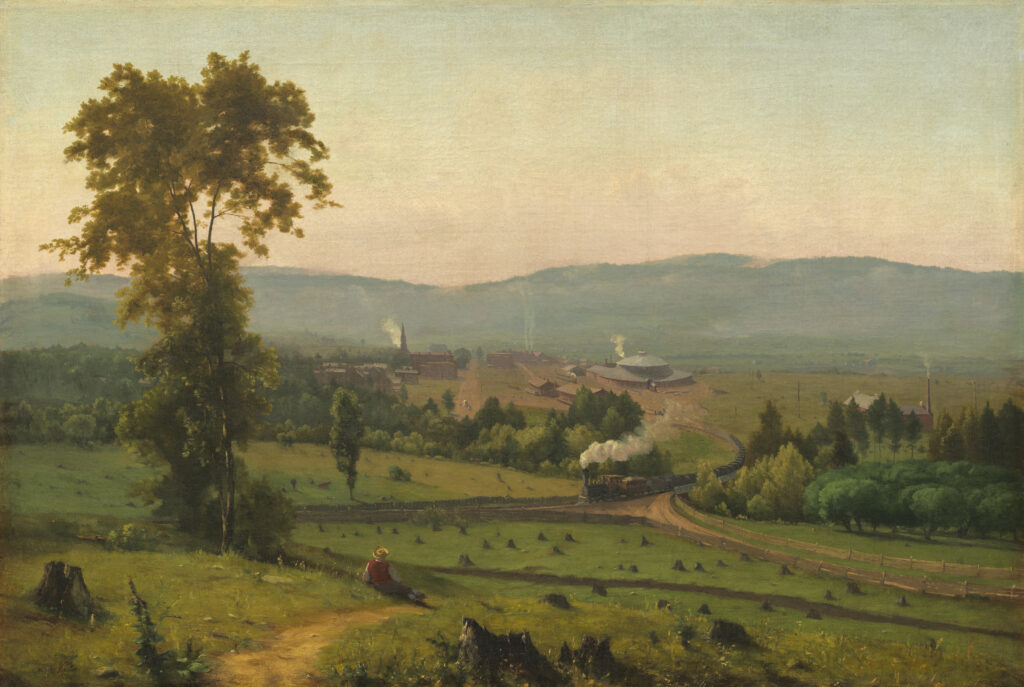 The Lackawanna Valley, 1856.
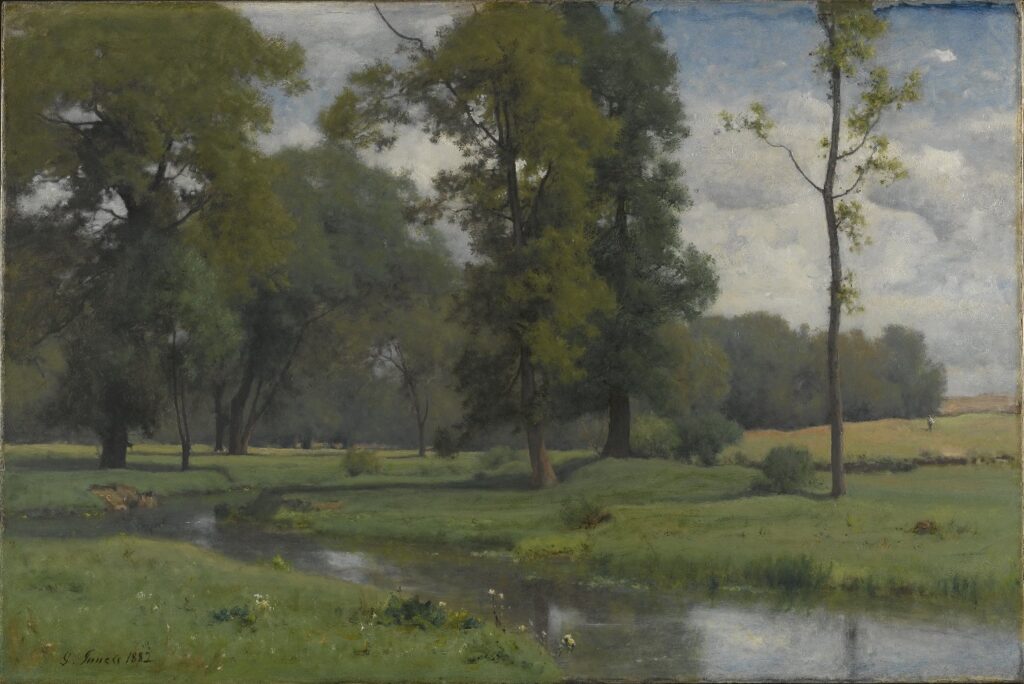 June, 1882.
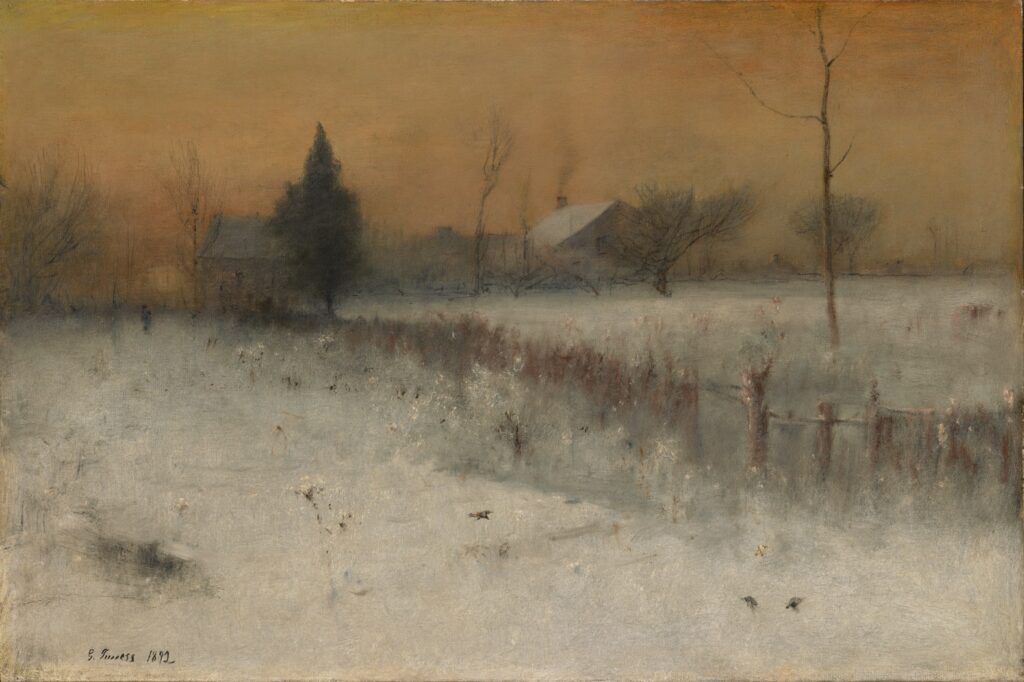 Home at Montclair, 1892.
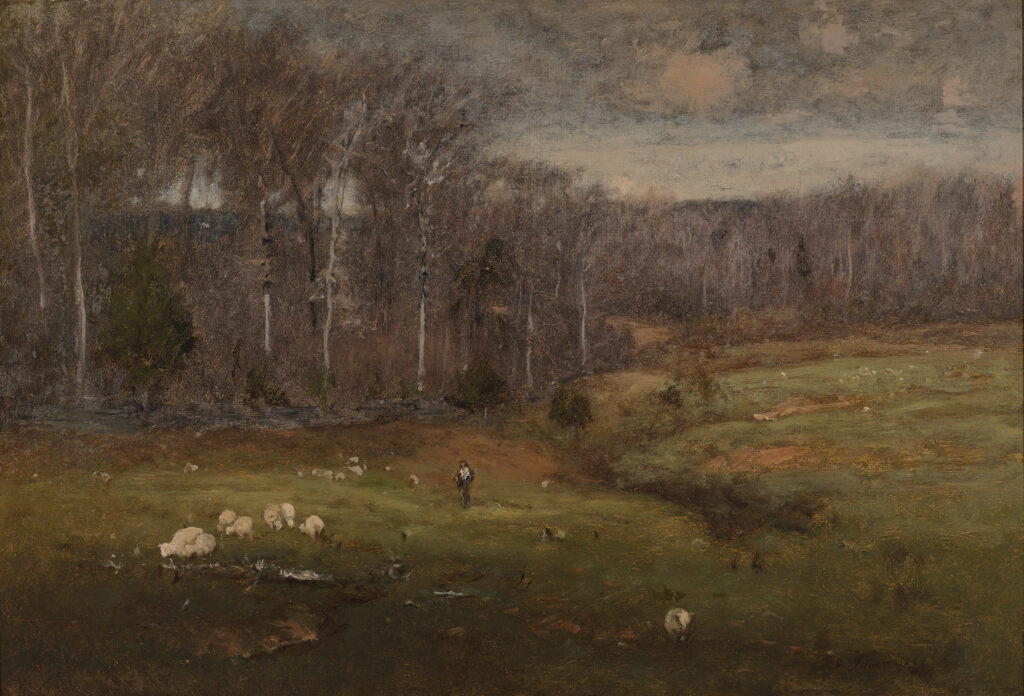 Frosty Morning, Montclair, 1885.
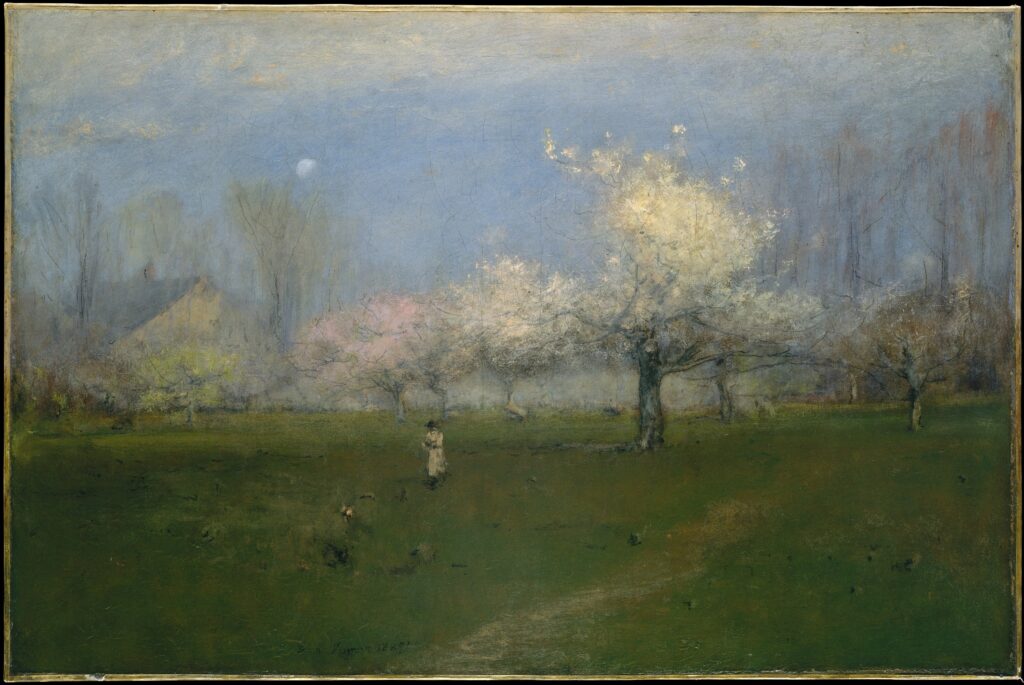 Spring Blossoms, Montclair, 1891.
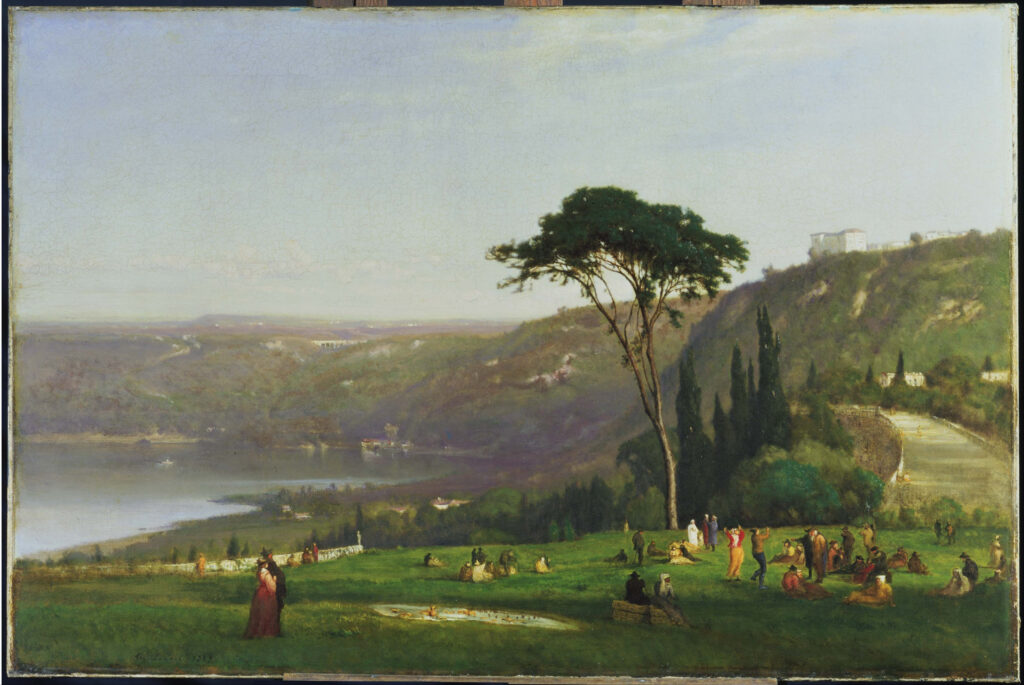 Lake Albano, 1869.
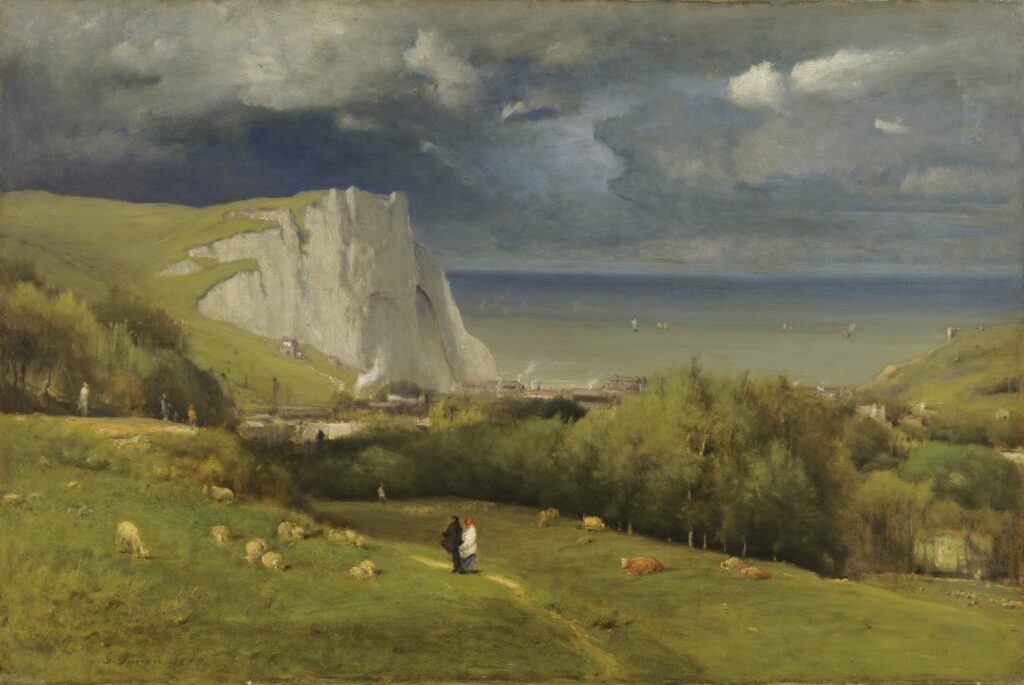 Étretat, 1875.
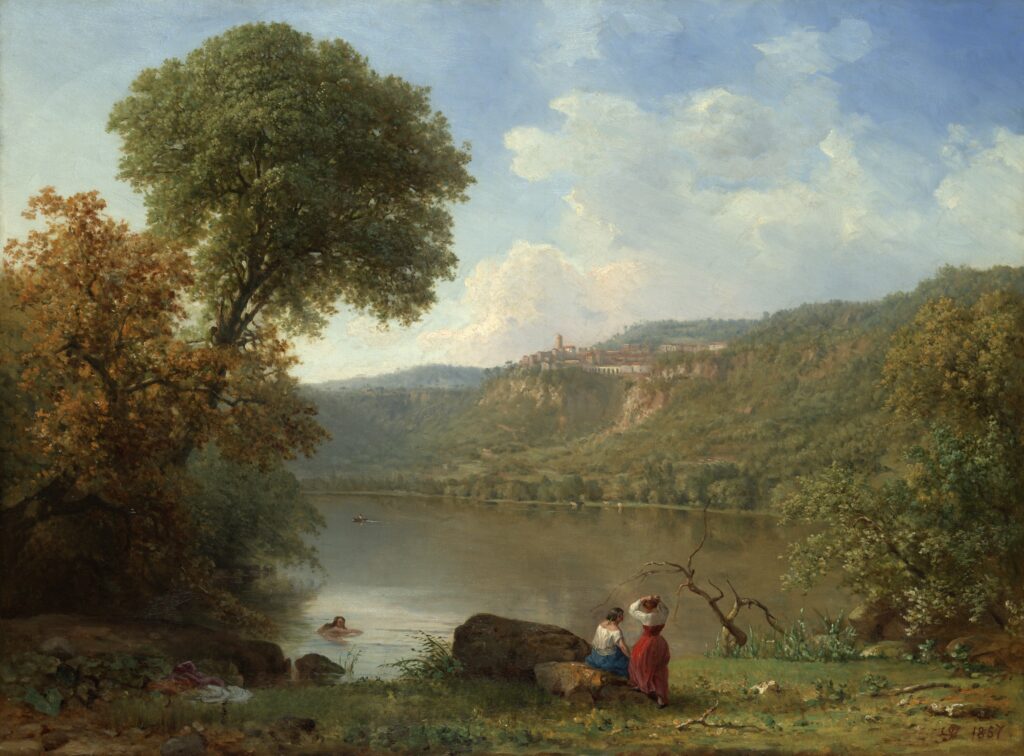 Lake Nemi, 1857.
About Inness
George Inness, born May 1st, 1825, was an American artists inspired by the beauty of the natural world. His portfolio includes an array of landscapes that capture scenes from across the East Coast—including locations in New York, Delaware, and Montclair New Jersey, where a great number of his works were composed. He also spent a significant portion of his career traveling across the globe to study the landscapes of other great artists and to witness the magnificence of the natural world in various locations.
He began his education under the study of Régis François Gignoux, a French landscape painter who emigrated to the United States, and attended classes at the National Academy of Design in New York. Inness’ work is heavily influenced by the works of the Old Masters, the Barbizon school, and especially by the Hudson River School landscape painters. Throughout his career, he would take on many roles as an artist. He was sponsored by patrons who would endorse his works and fund his travels, take part in various exhibitions globally, take commissions, and teach art to young creatives. Read more art posts here.