Learning to paint, especially learning to paint at home, comes with a lot of planning and decision-making. To start, you must consider what your goals are as a painter; why you want to paint and what you want to paint. Of course, your goals may change over time, but goals are a good starting point when deciding where to focus your time and energy when learning to paint as a beginner. Goals will lead you to the starting line. If you don’t yet know what you want to paint, there are still a range of basics that will help you to develop skills and hopefully guide you towards those things you do really want to paint.
What Should I Start Painting as a Beginner?
As a beginner you should start painting value studies, simple color studies like fruits or plain objects, and follow tutorials for styles you are most interested in. Value and color studies are going to help you understand basic colors and blocking, they’ll help you to understand the importance of light and dark values, and teach you basic composition skills that will be greatly beneficial for any style you plan to branch off into. Tutorials will then help you to hone in on any specific aspects of painting that you’d like to learn and allow you to pick up tips and advice from individuals who are already skilled at what you want to do!
Value Studies
To work on value studies all you’ll need is black and white paint, canvas, and a few other basic art supplies. A beginner value study can include 3-5 values, usually ranging from black to white with varying shades of grey between. Once you have your colors prepared, you’ll choose a simple image that is already black and white or pick an image that you can add a black-and-white filter to. The goal is just to practice seeing your lightest tones, mid tones, and darkest tones and then applying those to the canvas. This will help to hone your eye as an artist and make it easier to see where certain values and elements of a painting should go. Start with something simple like a boat on the water or a plain landscape!
Still Life
Still life paintings can be quite intimidating but with the right preparations, you’ll be ready to jump right in. First, you’ll want to choose a subject, which can be an apple, a banana, or a plain lamp in your room. Two of the best skills you can develop from still life painting are adding dimensions to the things you paint and improving how you paint light sources. As a beginner it is best to keep it simple, just see where certain areas are lighter and work to paint based on the shades you see. Working on value studies or doing value study’s prior to larger projects will help you tremendously. It can also be helpful to look at how other painters have executed still life’s of your subject matter so you can see how they lay down certain colors or create certain effects.
Landscapes
Landscapes can be a difficult medium to begin, so it is good to start slow and small. Use some basic canvas paper and follow tutorials based on the landscapes you are interested in. These can be beginner waterscapes and wave tutorials, basic fields or sky paintings, or learning to paint simple clouds. Try to work on small pieces of landscape paintings from video tutorials or books, and then work to bring what you learn together into larger pieces. This same breaking down of a larger goal into smaller parts is essential for any kind of painting including figure and portrait paintings, still life, and more!
“Whether you succeed or not is irrelevant, there is no such thing. Making your unknown known is the important thing.”
-Georgia O’Keeffe
How do I find Inspiration for my art?
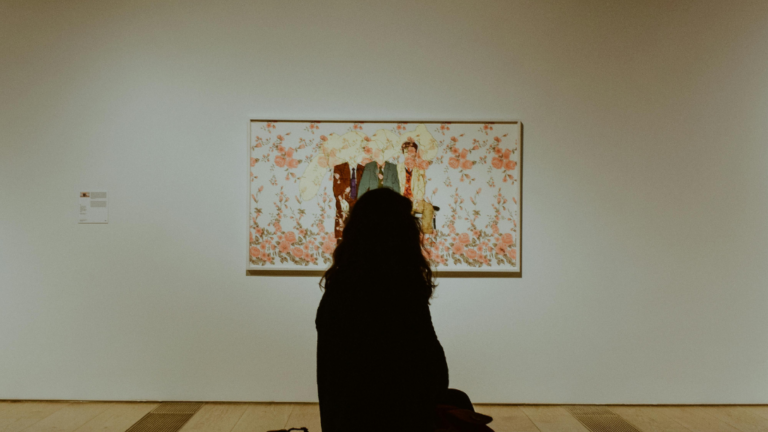
A final aspect of figuring out what to paint as a beginner is just collecting inspiration. Search through Pinterest, Instagram, and even Google for paintings that inspire you. Create a folder of artwork to remind you what your goals are or what you admire. It can be helpful to spend time in nature, read poetry or literature, and go to museums, you never know what will inspire a certain project or shift in your creative motivations! It can also help to watch movies about painting or painters that inspire you or pick up an overview of an artist’s work and life at a bookstore.
Final Word
Deciding what you should paint as a beginner is all about your goals, what inspires you, and ultimately the time you are willing to spend learning. Here we discussed a few tips to start painting as a beginner that are essential for any new artist. If you are looking for more inspiration, check out our posts on Painting Supplies for Beginners or Finding Inspiration for Your Art! We also have a range of other art articles, vision boards for inspiration, and photography to help you feel inspired, you can check those out here.